
Mortgage Guide
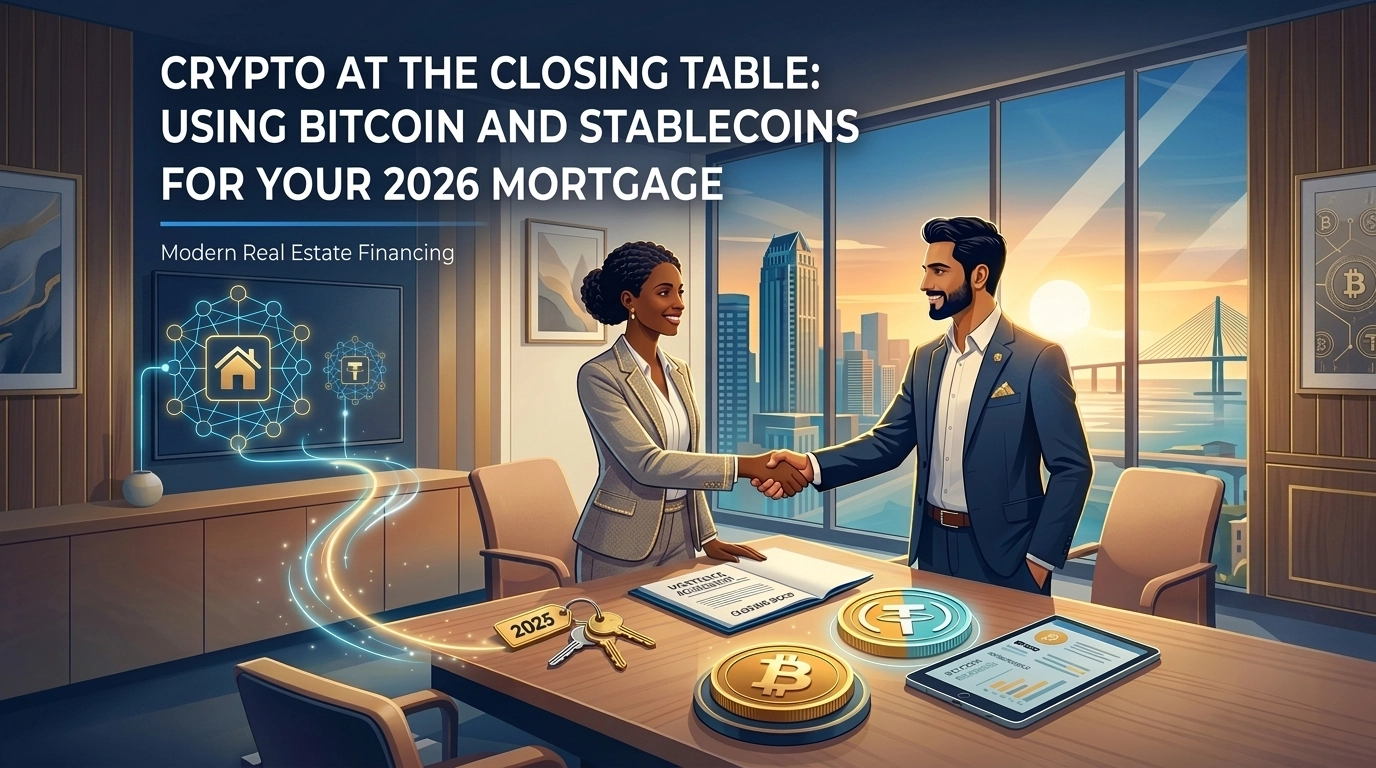
Crypto at the Closing Table: Using Bitcoin and Stablecoins for Your 2026 Mortgage
Listen, I get it. You’ve spent the last few years building a solid position in Bitcoin or holding a significant amount of USDC, and the last thing you want to do is "sell the top" just to pay for a down payment or satisfy a bank’s reserve requirements. For years, the traditional mortgage industry looked at crypto like it was play money. If you wanted a house, you had to exit your positions, pay the capital gains tax, and show the "clean" cash in a savings account for 60 days.
Welcome to 2026. The game has officially changed.
As we move through this year, the walls between decentralized finance (DeFi) and traditional real estate are crumbling. Thanks to new federal guidelines and some very specific Florida laws, your digital assets are now a powerful tool for securing a mortgage without ever having to hit the "sell" button.
In this edition of our Digital Reserves series, we’re diving into how you can use your crypto at the closing table right here in Tampa Bay.
The Big Shift: FHFA and the "New Normal" for Reserves
For a long time, the Federal Housing Finance Agency (FHFA) was the gatekeeper standing in the way of crypto-integrated mortgages. But as we’ve seen over the last year, the pressure from high-net-worth investors and tech-savvy buyers has forced a pivot.
Fannie Mae and Freddie Mac have moved forward with proposals that allow lenders to count digital assets: specifically "blue chip" assets like Bitcoin and regulated stablecoins: as part of a borrower’s required reserves.
What does this mean for you? Usually, when you apply for a high-value mortgage in areas like Belleair Beach or Tierra Verde, lenders want to see that you have 6 to 12 months of mortgage payments sitting in a liquid account. In the past, your $500,000 in Bitcoin counted for exactly zero in their eyes.
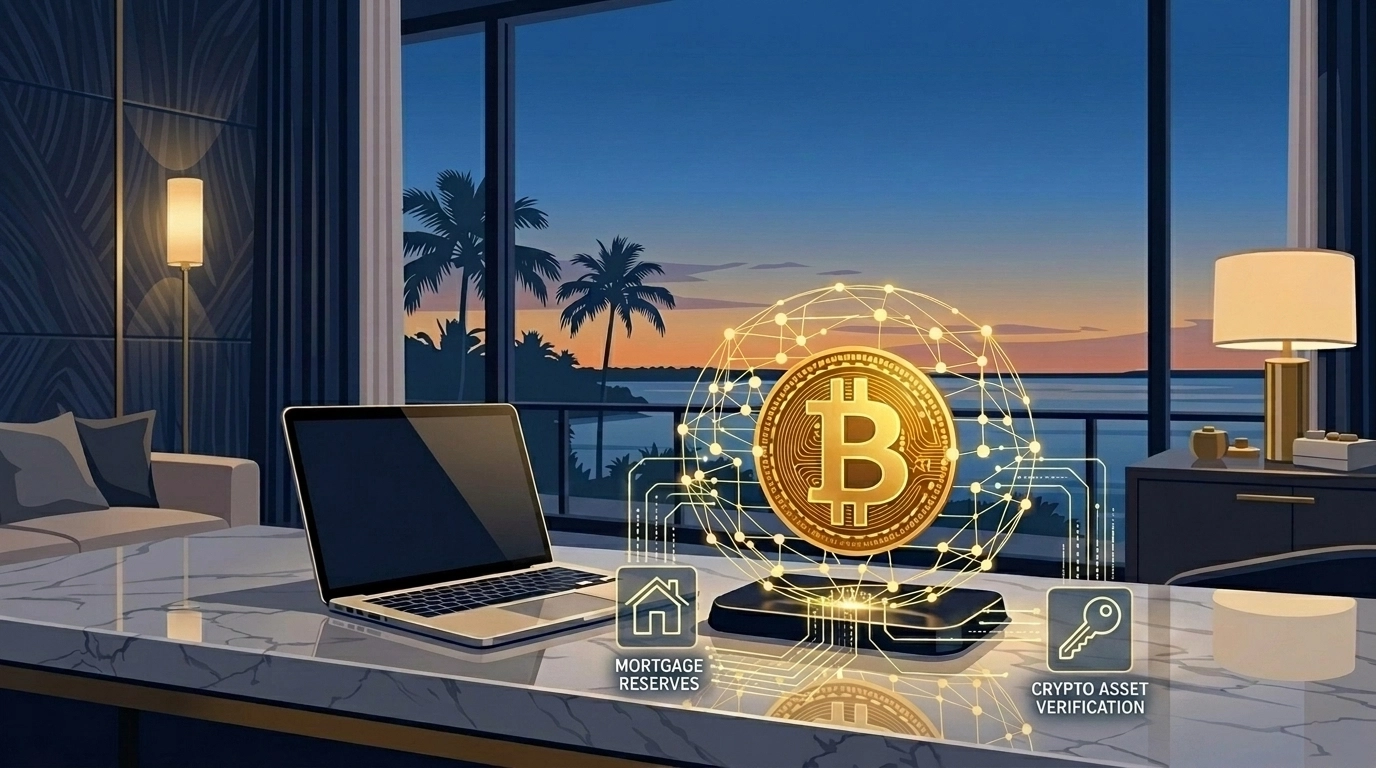
Today, under these new 2026 frameworks, that Bitcoin can be used to satisfy those reserve requirements. You keep your upside potential, and the bank gets the security they need to hit "approve."
The Better Home & Finance / Coinbase Partnership
One of the biggest catalysts for this change was the massive partnership between Better Home & Finance and Coinbase. This wasn't just a PR stunt; it created a functional bridge between your wallet and your home loan.
By integrating Coinbase’s institutional-grade custody directly into the mortgage application process, lenders can now verify your assets in real-time. This partnership pioneered the "two-loan structure" that is becoming the standard for 2026:
1. A Standard Conforming Mortgage: You get a traditional loan on the property that follows all the usual rules and protections. 2. A Pledged Asset Loan: Instead of a cash down payment, you pledge your crypto as collateral through a secure, third-party custodian.
This structure is a win-win. It keeps your primary mortgage "conventional," which means you aren't paying the "wild west" interest rates that some niche crypto lenders used to charge.
Understanding the Math: Bitcoin vs. Stablecoins
Not all digital assets are treated equally. Volatility is still the primary concern for lenders, so they use different collateral ratios to protect themselves. If you’re looking to use this strategy for your next purchase, here is a rough breakdown of what the 2026 market looks like:
Bitcoin (BTC)
Stablecoins (USDC)
The best part? Under these new structures, market movements alone generally don't trigger a "margin call" or immediate liquidation. As long as you stay current on your payments, your assets stay locked and safe.
The Tax Advantage: Why You Shouldn't Sell
This is where the "Wealth Builder" mindset really kicks in. When you sell crypto to buy a home, you’re often hit with a 15-20% long-term capital gains tax.
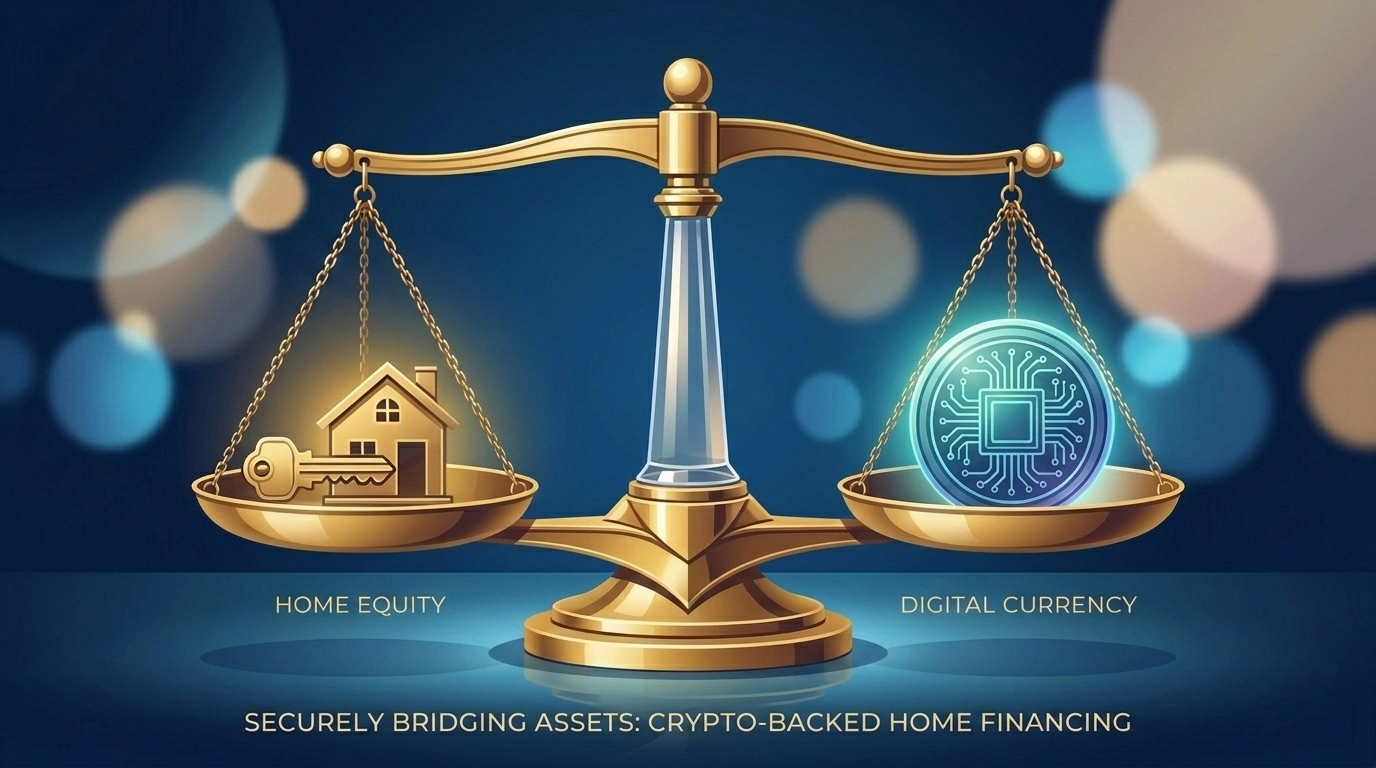
If you sell $200,000 worth of Bitcoin for a down payment, you might owe the IRS $40,000. That’s $40,000 of your buying power gone forever. By using your crypto as a reserve or collateralizing it for a down payment loan, you avoid that taxable event. You're essentially using the value of your wealth without destroying the asset.
If you're curious about how this compares to other options like our Trade-In program, it's all about leverage. One uses your current home’s equity; the other uses your digital equity.
Florida’s Edge: SB 1568 and the Stablecoin Law
We can’t talk about crypto and real estate without talking about why Florida is the best place to do this. In 2026, Florida continues to lead the nation in digital asset legislation.
The passing of SB 1568 (The Stablecoin Law) was a massive win for local buyers. This law officially recognized certain stablecoins as a valid medium for specific types of financial transactions and provided a clear regulatory framework for custodians operating within the state.
For you as a buyer in St. Pete or Tampa, this means that Florida-based title companies and escrow agents are much more comfortable handling transactions involving digital assets. We are seeing more and more closings where the "cash to close" arrives in USDC, settled in seconds, rather than waiting for the old-school banking wire system to catch up.
Is This Right For You?
Using crypto for a mortgage isn't for everyone. It requires a significant amount of over-collateralization, and your assets are "locked" during the life of the loan (meaning you can’t trade them to chase the latest meme coin).
However, if you are a long-term believer in the digital asset space and you want to participate in the Florida real estate market: which is currently one of the best hedges against inflation in the world: this is a strategy you need to consider.
If you’re ready to start looking at properties and want to see what your digital holdings can actually buy you, hop over to our property search page. We can help you navigate the lenders who actually understand how to read a Coinbase statement.
Wrapping It Up
The "Digital Reserves" era is here. Whether you’re looking for a waterfront estate or an investment property to add to your portfolio, your Bitcoin is finally a seat at the table.
At Jonathan Loescher brokered by Realty of America, we pride ourselves on staying ahead of these trends so you don't have to. Real estate is changing, and we’re here to make sure you have the tools to win.
Got questions about how your specific portfolio might work with a 2026 mortgage? Check out more of our insights on our blog or reach out directly. Let's get you into that next home without sacrificing your digital future.
--- Disclaimer: I’m a real estate expert, not a financial advisor or tax professional. Crypto-backed lending involves risk. Always consult with a tax pro before making major moves with your digital assets.
---
Have a question about how this applies to your home or loan?
Book a Call