
Local News
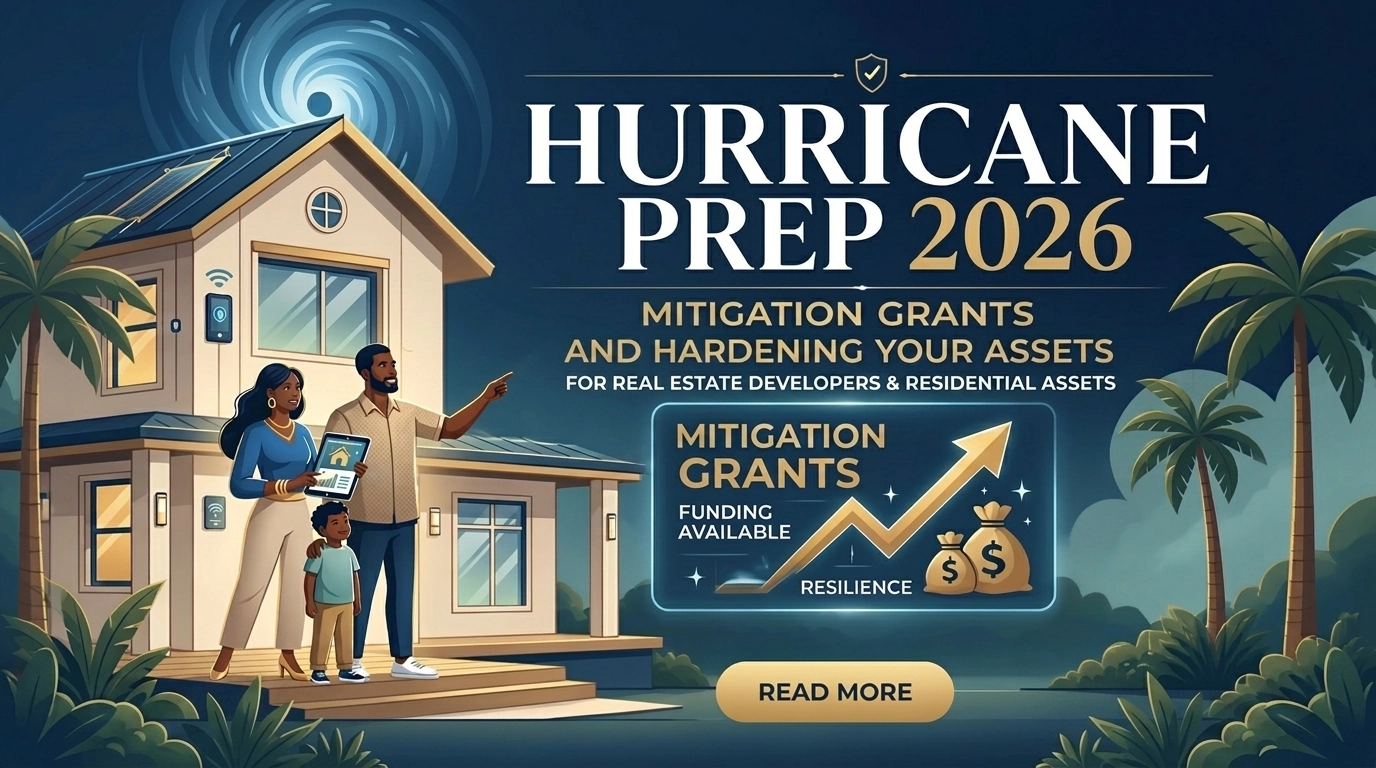
Hurricane Prep 2026: Mitigation Grants and Hardening Your Assets
Hey there, neighbors! It’s May 10th, 2026, and if you live anywhere near the coast, you know exactly what that means. The humidity is starting to kick up, the afternoon thunderstorms are becoming a daily ritual, and every local news station is starting to track "blobs" in the Atlantic.
We’re officially on the doorstep of the 2026 hurricane season.
Last week, I spent some time at the Treasure Island Hurricane Expo, and let me tell you: the tech has come a long way. Gone are the days when "prep" just meant buying a few sheets of plywood and a case of water. Today, it’s all about "Hardening your assets."
It sounds like a tough military term, but in the real estate world, it just means making your home as bulletproof (or rather, wind-and-flood-proof) as possible. The best part? There is more money available in 2026 through mitigation grants than we’ve seen in years, and these upgrades can actually put money back in your pocket through insurance credits.
Let’s dive into what you need to know to get your home ready for whatever 2026 throws at us.
What Does it Actually Mean to "Harden" a Home?
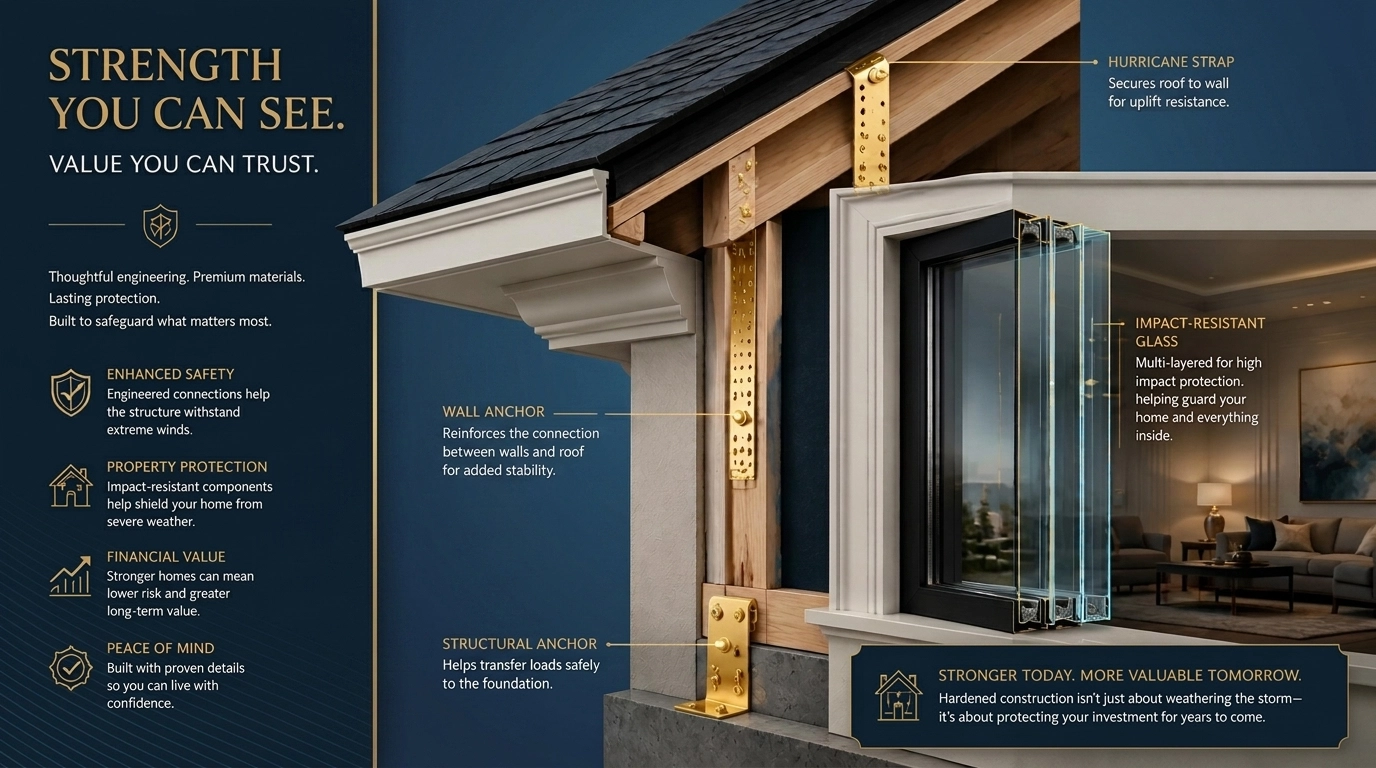
When we talk about hardening a property, we aren't just talking about aesthetics. We’re talking about the structural integrity of the "envelope" of your home. If the wind can’t get in, your roof is much more likely to stay on. If the water can’t get in, your interior stays dry.
At the Expo, the focus was split into two main categories: Wind Reinforcement and Flood Barriers.
1. Wind Reinforcement: Beyond Just Shutters
- Impact Windows and Doors: These are the gold standard. They provide 24/7 protection and, honestly, they make your house a lot quieter and more energy-efficient year-round.
- Roof-to-Wall Connections: If you have an older home, you might just have "toenails" holding your roof down. Modern hardening involves metal straps or clips that literally tie the roof rafters to the wall studs.
- Garage Door Bracing: Your garage door is the largest opening in your home. If it buckles, it’s game over for the roof. New reinforced doors are rated for 150+ mph winds.
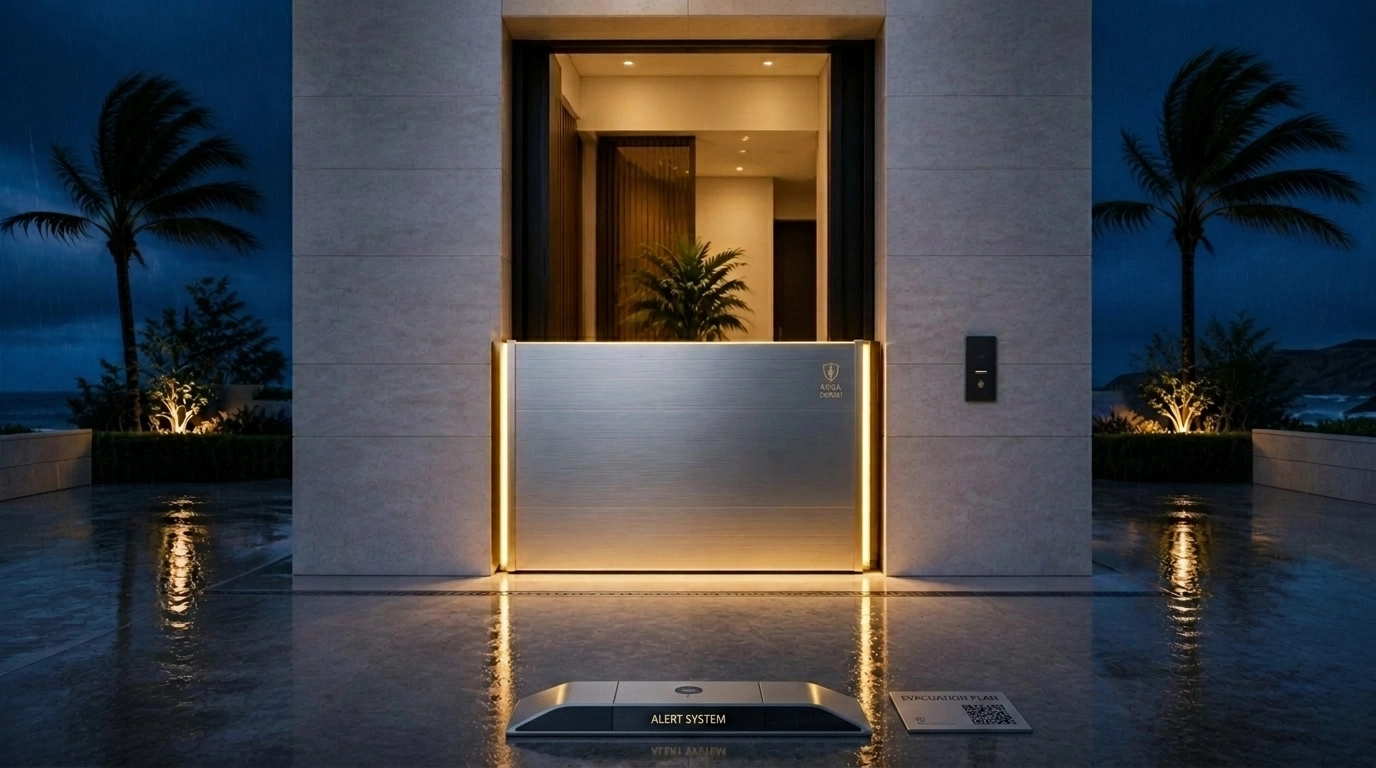
2. Flood Barriers: The New Tech
Mitigation Grants: Free Money for Your Home?
This is where it gets exciting. As of March 2026, FEMA has approved several extensions for hazard mitigation projects, and the state of Florida has funneled even more cash into programs like the "My Safe Florida Home" initiative.
There are billions of dollars sitting in buckets like the Building Resilient Infrastructure and Communities (BRIC) fund and the Flood Mitigation Assistance (FMA) program.
How the Grants Work
The Catch: You usually have to apply before you start the work. If you’ve already replaced your windows, you can’t go back and ask for the money. You need a wind mitigation inspection first, then an application, then the work, then the refund.
If you’re wondering where to start with the paperwork, feel free to reach out to us on our contact page. We keep a pulse on which programs are currently accepting applications in our local area.
The Financial "Win-Win": Insurance Credits
Let’s be real: home insurance in Florida hasn’t exactly been "cheap" lately. However, hardening your home is the single best way to lower those premiums.
In 2026, insurance companies are legally required to offer credits for specific wind mitigation features. When you harden your home, you aren't just protecting your family; you’re creating an ROI.
What the Inspectors Look For:
I’ve seen clients save anywhere from 15% to 40% on their annual premiums just by documenting these upgrades with a fresh wind mitigation report. In a market like Tierra Verde or the surrounding beach communities, that can add up to thousands of dollars a year.
Lessons from the Treasure Island Hurricane Expo
The vibe at the Expo this year was much more proactive than reactive. People are tired of the "wait and see" approach. Here are three quick takeaways from the experts on the ground:
1. Inventory Your Assets Now: Take a video of every room in your house, inside every closet, and the serial numbers on your appliances. Upload it to the cloud today. 2. Check Your Elevation Certificate: If you’re planning on doing a major flood-hardening project, you need a current elevation certificate. This tells the grant offices exactly how high your "finished floor" is relative to the flood zone. 3. Think Nature-Based: There was a lot of talk about "living shorelines": using mangroves and natural vegetation to buffer wave energy. If you’re on the water, this is a beautiful and effective way to harden your property.

Why Hardening Increases Your Home Value
As a real estate agent at Jonathan Loescher brokered by Realty of America, I look at these upgrades through the lens of resale value.
When a buyer looks at two identical houses, and one has a 2025-rated roof with impact windows and a transferrable mitigation grant history, while the other has 15-year-old shutters and a "toenailed" roof, the choice is easy. The hardened home sells faster and for a premium. It’s "peace of mind" packaged into the mortgage.
If you want to see how these upgrades might affect your specific home value, you can check out some of our recent reviews from clients who have navigated this process with us.
Your 2026 Checklist (Do This This Week!)
1. Schedule a Wind Mitigation Inspection: Even if you haven’t done upgrades yet, it’s good to have a baseline. 2. Check Grant Eligibility: Visit the FEMA website or the Florida Division of Emergency Management to see if your zip code has open funding. 3. Clear the Yard: Hardening isn’t just about the house. It’s about the stuff around it. Trim those overhanging branches and secure any loose pavers or yard art. 4. Review Your Policy: Make sure you actually have flood insurance. Remember, standard homeowners insurance almost never covers rising water.
Final Thoughts
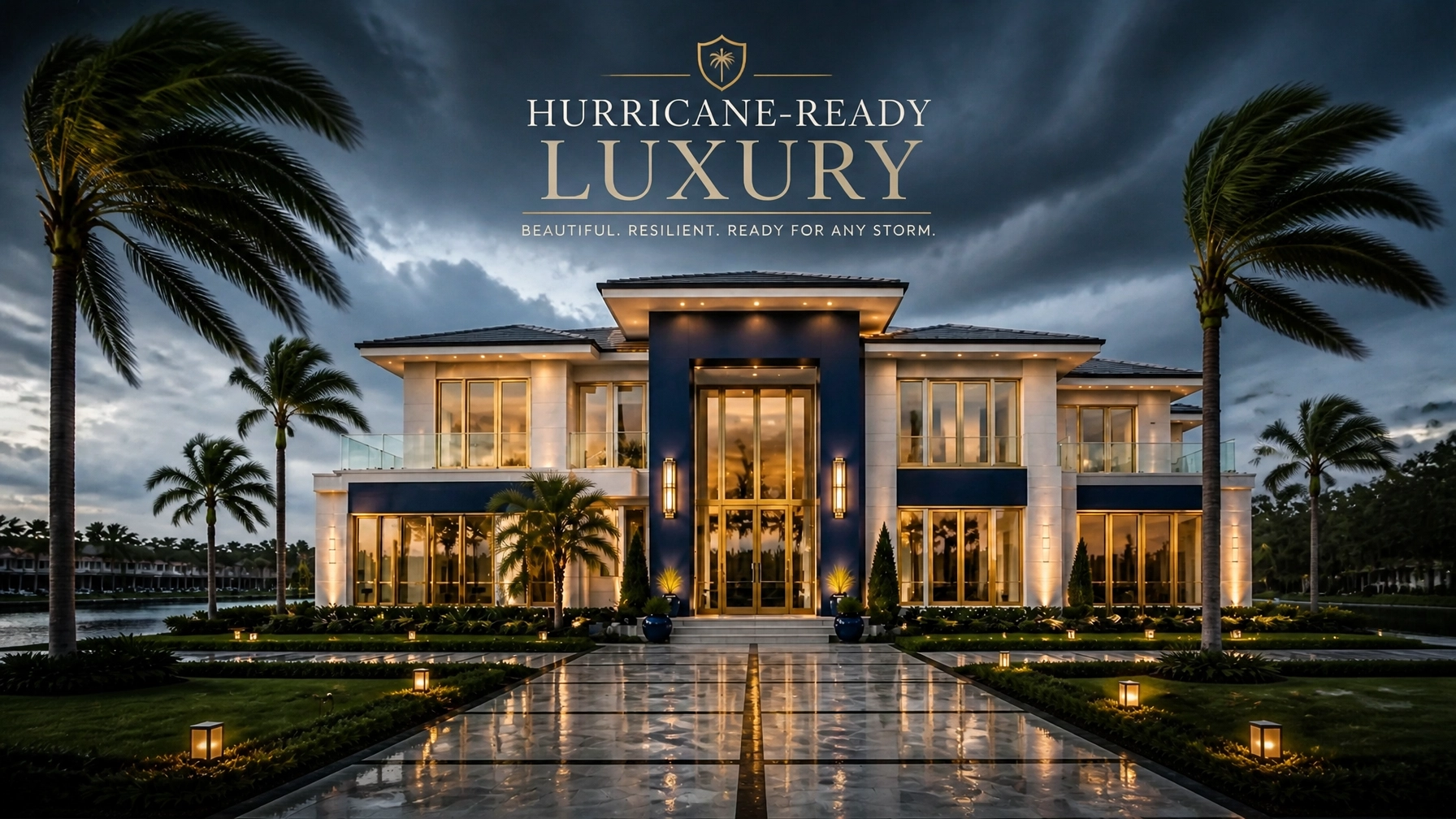
The 2026 season is going to be what it’s going to be: we can’t control the weather. But we can control how much power the weather has over our homes and our bank accounts. Hardening your home is a smart move for your safety, your insurance bill, and your future resale value.
If you have questions about which upgrades provide the best "bang for your buck" in our local market, or if you’re looking to move to a more "hurricane-ready" property, I’m here to help. Head over to my about page to learn more about how we work, or just browse our blog for more local tips.
Stay safe, stay prepared, and let’s make 2026 a resilient year!
( Jonathan Loescher)
---
Have a question about how this applies to your home or loan?
Book a Call