
Local News
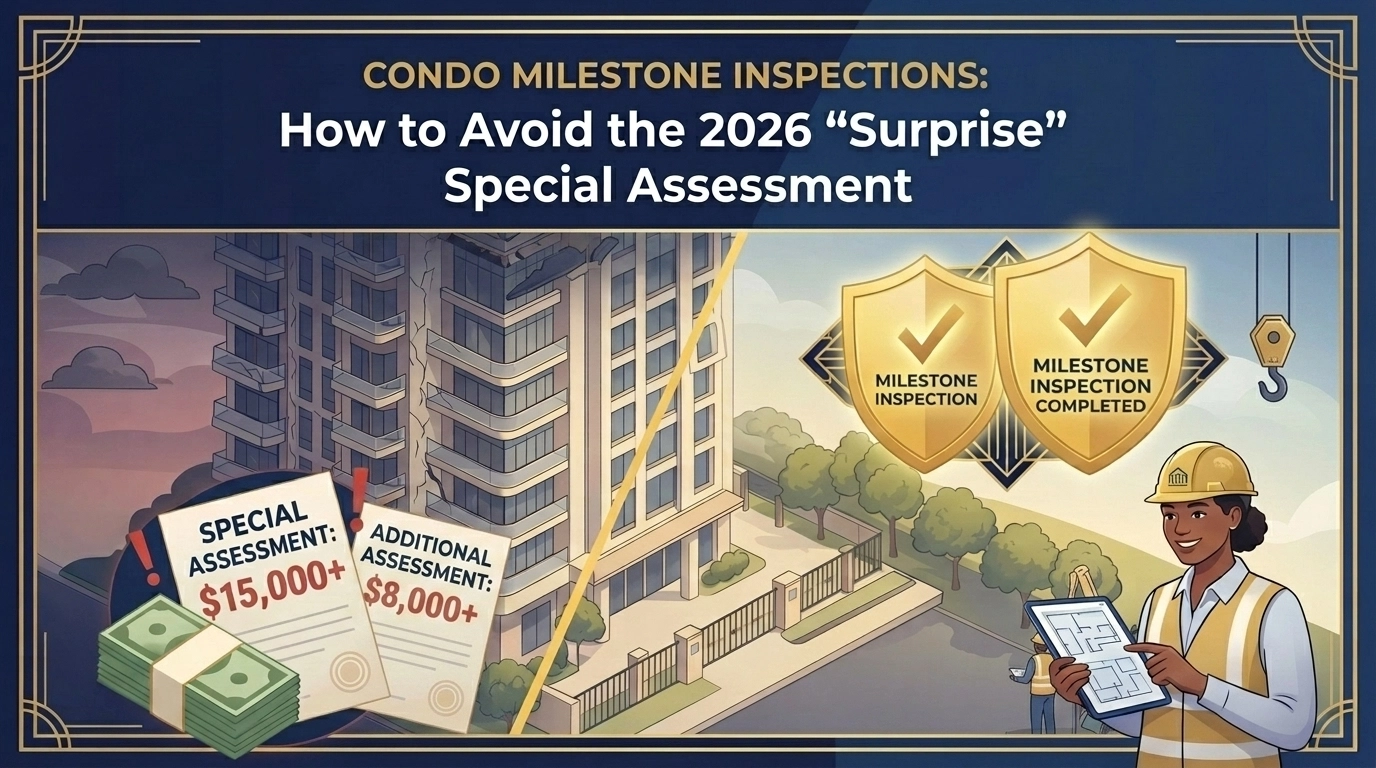
Condo Milestone Inspections: How to Avoid the 2026 "Surprise" Special Assessment
If you’ve been following the Florida real estate market over the last few years, you know that the "Wild West" days of condo management are officially over. As of today: April 12, 2026: the grace periods have expired, the deadlines have passed, and the bills are coming due.
I’m Jonathan Loescher, and if there is one thing I want to help you avoid this year, it’s the "Surprise" Special Assessment. For decades, condo boards across Florida could vote to waive or reduce their reserve funding. They’d kick the can down the road, keeping monthly HOA fees low while the building’s structural integrity slowly declined.
But the road ended. Following the tragic events at Surfside, Florida lawmakers stepped in with some of the strictest condo safety requirements in the country. We are now living in the era of Milestone Inspections and Structural Integrity Reserve Studies (SIRS).
If you are looking to buy a condo in the Tampa area, or if you currently own one in a place like Tierra Verde or Belleair Beach, you need to know exactly what these laws mean for your wallet.
The Milestone Inspection: No More Guessing Games
The Milestone Inspection is a mandatory structural checkup for condo buildings that are three stories or higher. Think of it like a "home inspection" but for the entire skeleton of the building.
Here is how the timeline works in 2026: 30-Year Milestone: If your building reached 30 years of age, it must have had its first inspection. 25-Year Milestone (The Coastal Rule): If the building is within three miles of the coastline: which covers a huge chunk of our beautiful Tierra Verde and beach properties: that first inspection happened at the 25-year mark.
The inspection is broken down into two phases. Phase 1 is a visual inspection by a licensed architect or engineer. If they find "substantial structural deterioration," the building is forced into Phase 2, which involves destructive testing (basically, looking inside the walls and slabs) to see how bad the damage really is.
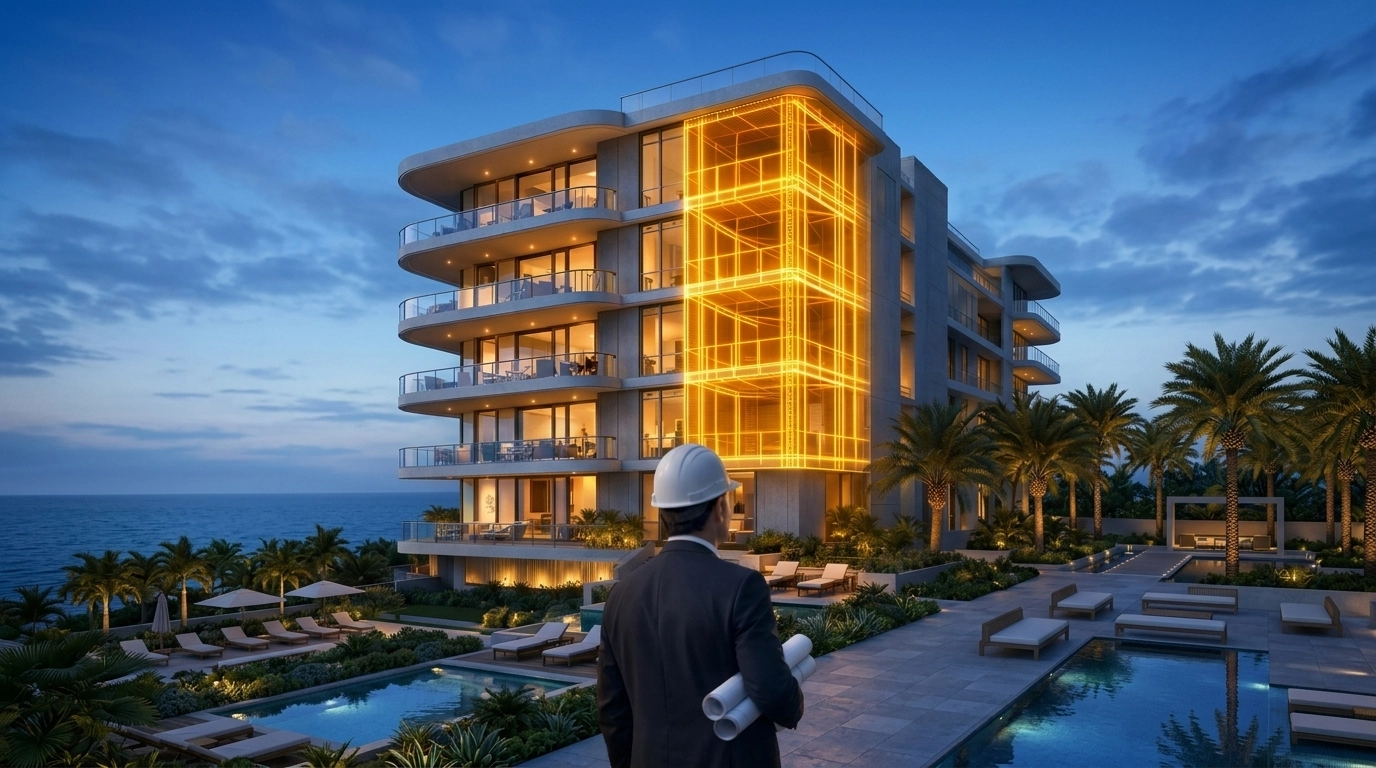
If Phase 2 says you need a new roof, floor-to-ceiling concrete restoration, or a complete overhaul of the electrical system, the board must perform the repairs. They can't vote it down. They can't delay it. They have to fix it, and they have to figure out how to pay for it: often through a massive special assessment.
SIRS: The End of "Waiving" Reserves
While the Milestone Inspection looks at safety, the Structural Integrity Reserve Study (SIRS) looks at the bank account.
Before the new laws, many condo associations were chronically underfunded. In fact, it was common practice for owners to vote every year to waive their reserves to keep their monthly dues low. As of the 2025/2026 deadlines, that is no longer an option for critical items.
A SIRS is a study that determines how much money the association needs to save to replace specific structural components. This includes: The roof Load-bearing walls and primary structural members Floor and roof decks Fireproofing and fire protection systems Plumbing Electrical systems Waterproofing and exterior painting Windows and exterior doors
By law, the association can no longer waive or reduce the funding of these specific items. If the study says the building needs $2 million for a new roof in ten years, the board must start collecting that money now. For many older buildings, this has resulted in monthly HOA fees doubling or tripling overnight to "catch up" on years of neglected savings.
HB 1021: Transparency is Now Your Best Friend
You might be thinking, "Jonathan, this sounds like a financial nightmare. How am I supposed to know if a building is a money pit before I buy it?"
That’s where HB 1021 comes in. As of January 1, 2026, Florida law requires condo associations with 25 or more units to provide digital access to their most important documents through a website or a mobile app.
This is a game-changer for transparency. You (and your Realtor) can now theoretically access the following with just a few clicks: 1. The Milestone Inspection Report: See if the building passed Phase 1 or if it’s currently undergoing Phase 2 repairs. 2. The SIRS Report: See exactly how much money the building has in the bank versus how much it should have. 3. The Annual Budget: Check for patterns of "surprise" assessments or chronic under-budgeting. 4. Meeting Minutes: See what the board is talking about. Are they fighting over a $5 million concrete restoration project? You’ll find it in the minutes.
If you are browsing for condos on our search page, my team and I make it a priority to dig into these portals. If a building hasn't posted these docs yet, that’s a massive red flag.

How to Spot a "Red Flag" Building in 2026
If you’re shopping for a condo this year, don't just look at the granite countertops and the ocean view. You need to look at the "bones" and the "books." Here are three signs that a "surprise" assessment is lurking around the corner:
1. The Building is 25-30 Years Old with No Milestone Report
2. Low Monthly Dues in an Older Building
3. Frequent "Small" Assessments
Protect Your Investment: The Buyer’s Checklist
If you're ready to pull the trigger on a Florida condo, here is your 2026 survival guide:
- Demand the SIRS: Do not close on a property until you have reviewed the Structural Integrity Reserve Study. Check the "Funding Percentage." If it’s below 50-60%, the building is playing catch-up.
- Check the Coastline Proximity: Remember the 3-mile rule. Buildings in Belleair Beach are almost certainly under the stricter 25-year milestone requirement.
- Look at the Portal: Ask for the login to the association's website. If they don't have one, they are violating HB 1021, which speaks volumes about their management style.
- Consider a Trade-In: If you currently own a condo and are worried about an upcoming assessment, it might be time to move your equity into a newer building or a single-family home. Check out our Trade-In program to see how we can help you transition smoothly.

Final Thoughts
2026 is the year of accountability for Florida condos. While these laws have caused some short-term "sticker shock" for owners, they are actually a good thing for the long-term health of our real estate market. We are ensuring that the buildings we live in are safe and that the associations managing them are financially responsible.
Buying a condo doesn't have to be a gamble. With the right data and a proactive approach, you can find a beautiful, stable home without the fear of a $50,000 "surprise" landing in your mailbox next month.
If you have questions about a specific building in Tampa or the surrounding beaches, reach out to us at jonathanloescher.com. We live and breathe these regulations so you don’t have to. Let’s make sure your next move is a smart one.

---
Have a question about how this applies to your home or loan?
Book a Call