
Local News
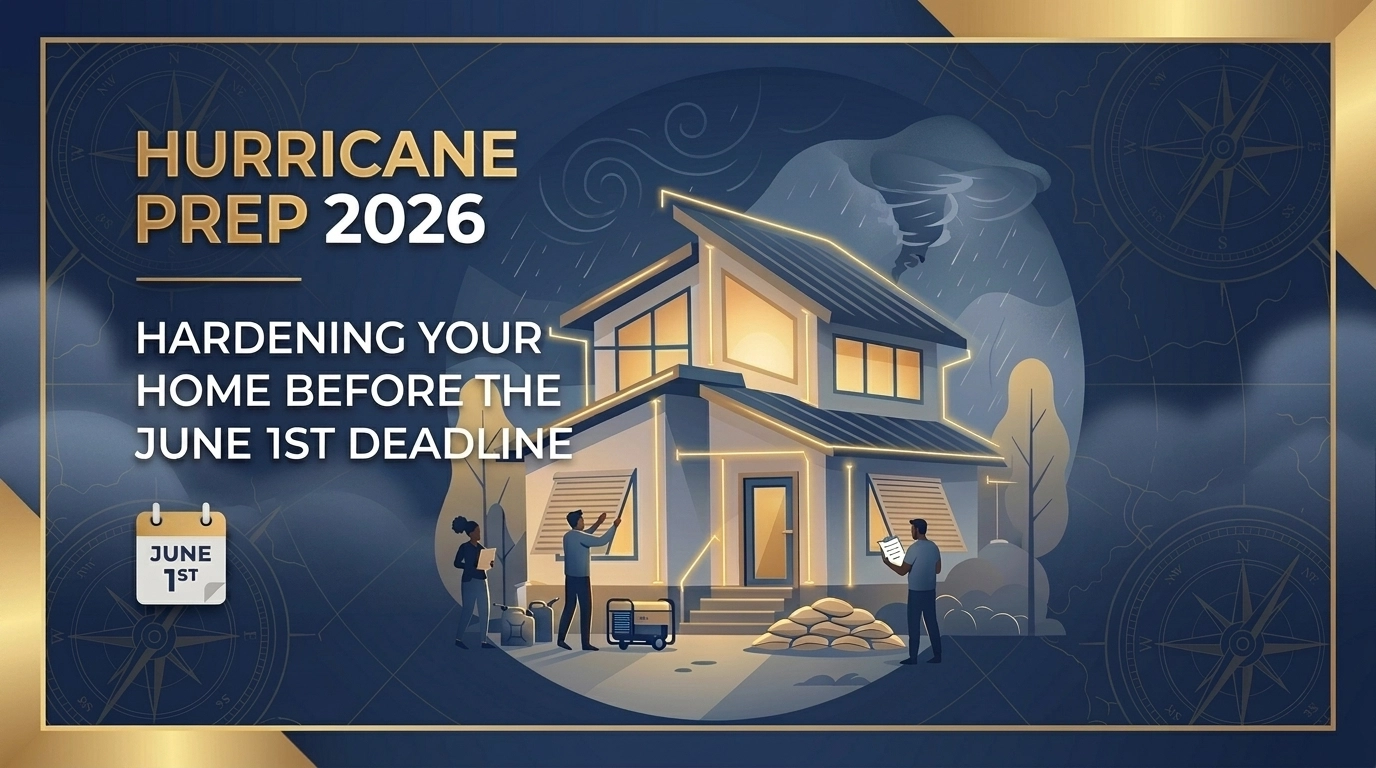
Hurricane Prep 2026: Hardening Your Home Before the June 1st Deadline
Hey everyone, it’s Jonathan Loescher. We are officially sitting on April 12th, 2026. If you look at the calendar, that means we have exactly seven weeks until the Atlantic hurricane season kicks off on June 1st.
In the real estate world, especially here in the Tampa Bay area and down through our beautiful coastal communities like Belleair Beach, we talk a lot about "curb appeal" and "market value." But this time of year, the conversation shifts to something much more critical: structural integrity and resilience.
Waiting until a tropical depression forms in the Gulf to think about your home’s safety is a recipe for stress and high costs. Right now is the "sweet spot" for hardening your home: when contractors still have a few openings and state grant money is often still available.
Let’s dive into how you can protect your investment and your family before the 2026 season gets active.
Why the "Hardening" Window is Closing Fast
If you’ve lived in Florida for more than a minute, you know the drill. Once June hits, every roofing contractor and window specialist in the state is booked three months out. According to current 2026 market data, lead times for custom impact-resistant windows are currently sitting at 6 to 10 weeks.
If you order today, you’re looking at an installation date right as the season starts to heat up in August. If you wait until May? You’re looking at a late-September install, right in the heart of peak season.
Hardening your home isn't just about putting up plywood; it’s about making permanent structural improvements that keep the roof on and the water out.
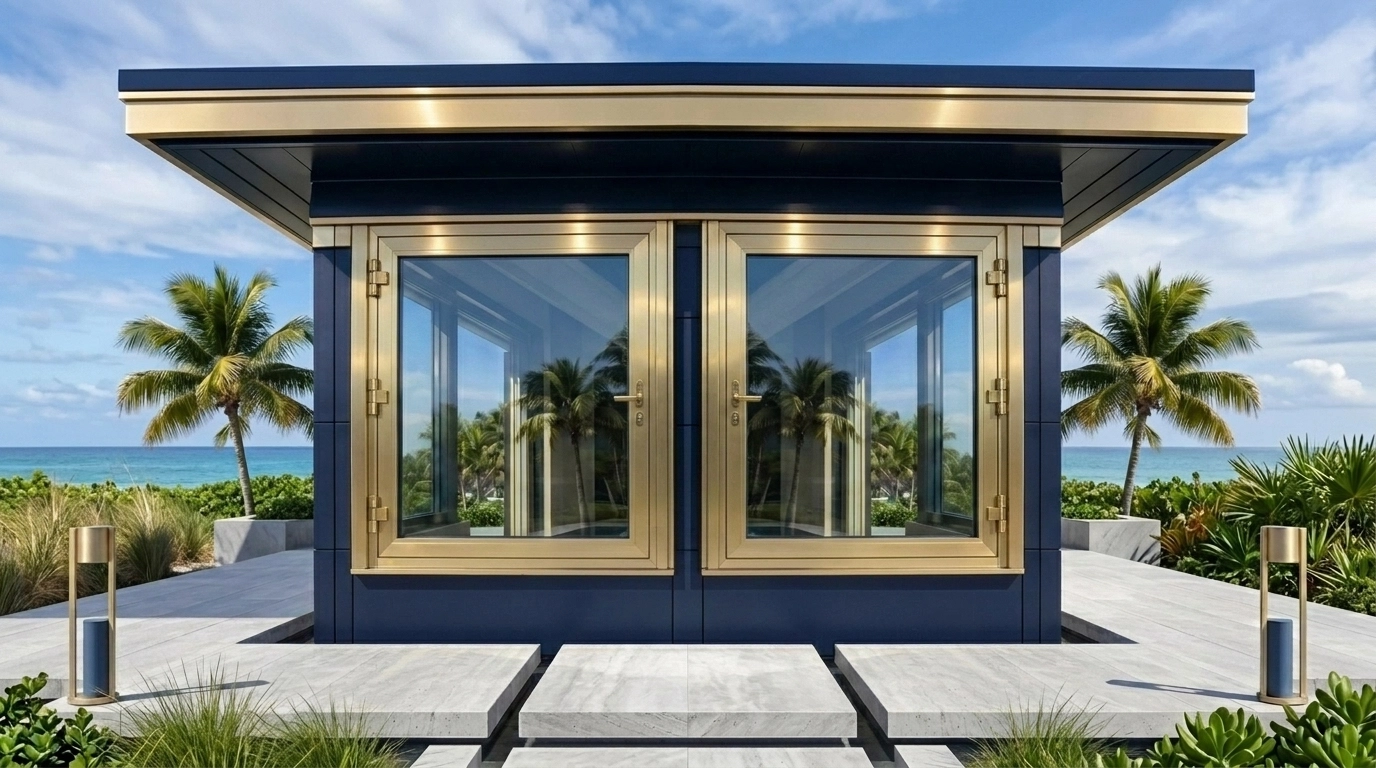
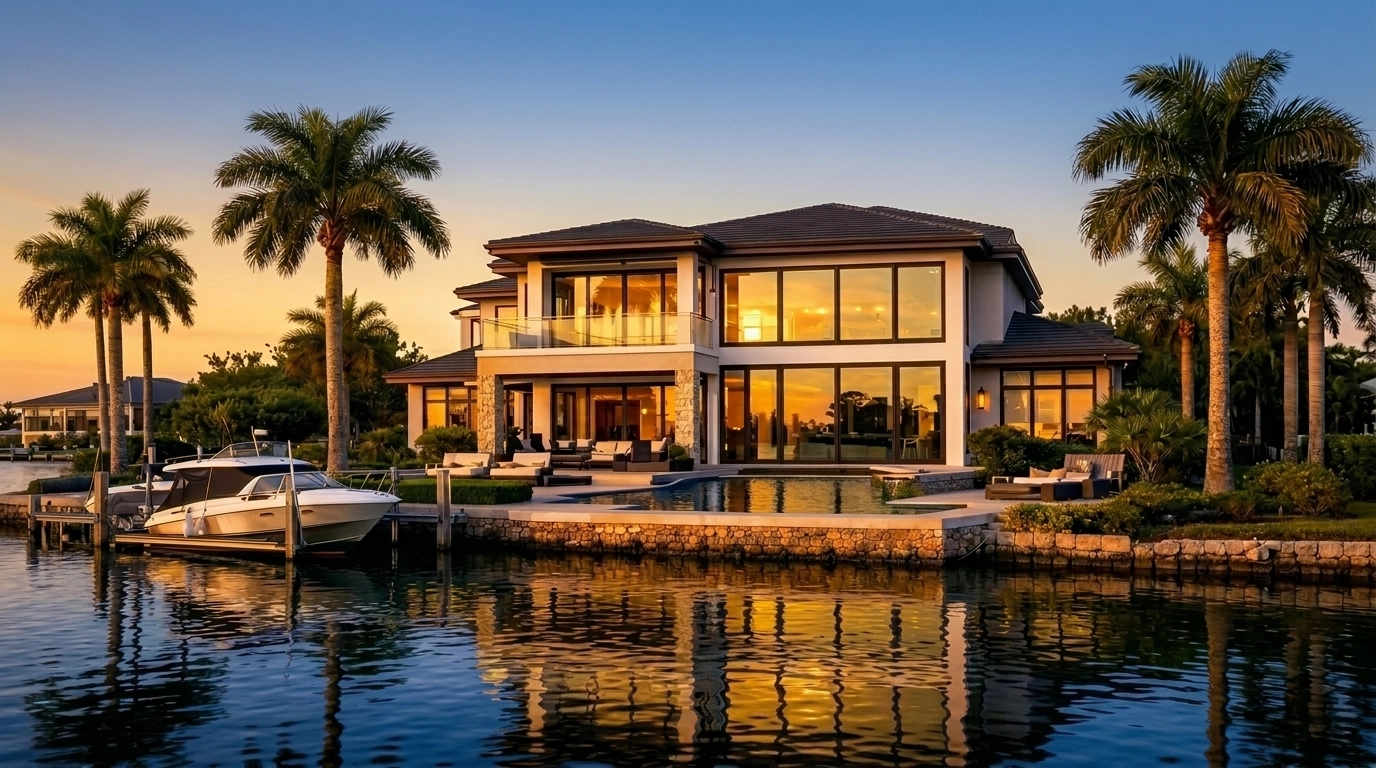
!Modern Florida home with reinforced window frames and sturdy roofing for hurricane hardening.
The My Safe Florida Home Program: Free Money for 2026
The My Safe Florida Home (MSFH) program has been a lifesaver for homeowners, and in 2026, it remains one of the best tools in your arsenal. If you haven't looked into this lately, the program offers free wind mystery inspections and matching grants for home hardening.
For every $1 you spend on eligible improvements, the state provides $2, up to a maximum grant of $10,000.
Eligible improvements typically include: Reinforcing roof-to-wall connections (hurricane straps). Improving the secondary water resistance of your roof. Upgrading to impact-resistant doors and garage doors. Upgrading to impact-resistant windows.
Applying for this grant should be your priority this week. The funds are often allocated in cycles, and the 2026 legislative session has reinforced this budget to help lower the insurance burden across the state. Check the MSFH portal immediately to see if you qualify.
Tax Holidays and Credits: Saving on Impact Windows
One of the best financial moves you can make this month is taking advantage of Florida’s sales tax exemptions. For the 2026 season, the state has continued its commitment to disaster preparedness by offering sales tax holidays on "impact-resistant" items.
Currently, there is a permanent sales tax exemption on retail sales of impact-resistant windows, doors, and garage doors. This can save you roughly 6-7% right off the top of your project cost. When you’re looking at a $15,000 window upgrade, that’s an extra $1,000 back in your pocket.
Additionally, don't forget the federal Energy Efficient Home Improvement Credit (25C). While primarily for energy efficiency, many impact-rated windows also meet the U-factor requirements, potentially qualifying you for a federal tax credit of up to $600 per year.
Understanding HB 815: New Protections for Your Roof
There has been a lot of confusion regarding roof ages and insurance cancellations. The passage of HB 815 has brought some much-needed relief to Florida homeowners.
In short, if your roof has at least 15 years of useful life remaining (or 5 years for a roof that is already 15 years old), an insurance company cannot refuse to issue or renew a policy solely based on the age of the roof.
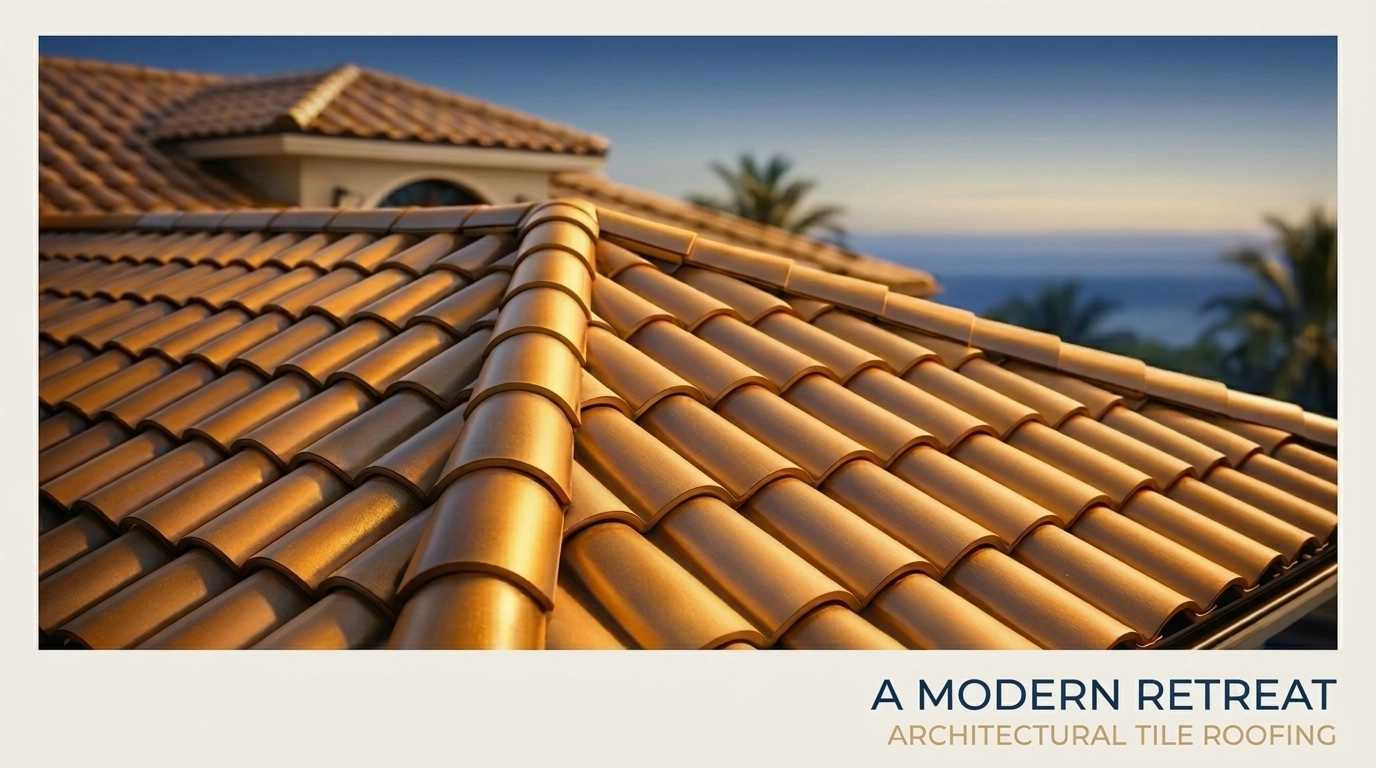
This is huge for residents in places like Tierra Verde where many homes have high-quality tile roofs that are "aged" but still perfectly functional. Before you rush to replace a roof because your agent "hinted" at it, get a professional inspection to certify the remaining life of the shingles or tiles.
!Close-up of a durable barrel-tile roof showing structural integrity for Florida hurricane season.
The 2026 Home Hardening Checklist
Let’s break down the physical work you need to do over the next 45 days.
1. The Roof (Your First Line of Defense)
2. Windows and Openings
3. The Garage Door
4. Tree Canopy and Landscaping
!Illustration of a protected home silhouette symbolizing storm preparedness and structural hardening.
Survival Kits & Evacuation Logistics
Hardening the house is half the battle; hardening your plan is the other half.
Know Your Zone: Flood zones and evacuation zones are different. Check the updated 2026 Pinellas and Hillsborough county maps. Even if you aren't in a flood zone, you might be in an evacuation zone due to storm surge risks.
The "Go Bag": Water: One gallon per person per day for at least 7 days. Medication: A two-week supply of all essentials. Documents: Digital copies of your insurance policy, deed, and ID stored on a waterproof thumb drive or secure cloud. Cash: If the power goes out, the credit card machines go down. Have small bills ready.
The Real Estate Perspective: Insurance and Value
As the Founder of Jonathan Loescher brokered by Realty of America, I look at these upgrades through the lens of home value. In 2026, the Florida market is highly sensitive to insurance costs.
A home with a new roof, impact windows, and a "Wind Mitigation Certificate" that shows all "A" ratings is significantly easier to sell. Buyers are looking for "turn-key safety." They want to know that their insurance premium isn't going to be $8,000 a year because the house hasn't been updated.
If you are thinking about moving or want to see how these upgrades might impact your home's market value, you can always search current listings to see what the competition is doing or check out our latest blog posts for more local market insights.
Final Thoughts: Don't Panic, Just Prepare
The goal of early prep isn't to live in fear; it's to live in peace. When you know your roof is strapped down, your windows are protected, and your paperwork is in order, you can handle whatever the 2026 season throws our way.
Take this week to apply for the My Safe Florida Home grant. Take next week to walk your property and identify tree hazards. By the time June 1st rolls around, you’ll be the person on the block sitting back with a cold drink while everyone else is fighting over the last sheet of plywood at Home Depot.
If you have questions about how hurricane hardening affects your home value in the Tampa Bay area, feel free to reach out to us at jonathanloescher.com. Stay safe, stay prepared, and let’s get ready for a quiet and safe 2026 season.
---
Have a question about how this applies to your home or loan?
Book a Call