

Local News
Condo Rules: Why Duplexes are the New High-Rises in 2026
The Great Condo Shift of 2026
If you’ve taken a look at the skyline lately, everything seems business as usual. The glass towers are sparkling, and the cranes are still moving. But if you pull back the curtain and look at the closing statements for older high-rise units, you’ll see a very different story.
Hey there, I’m Jonathan Loescher. As the founder of my agency brokered by Realty of America, I’ve spent the last few years watching the Florida and coastal markets evolve. By April 2026, we’ve hit a fascinating, and for some, painful, turning point. The "glamour" of the high-rise is being weighed down by the reality of aging infrastructure and the legislation that finally caught up with it.
We’re seeing a massive pivot. Buyers who once dreamed of a 20th-floor balcony are now looking for a solid duplex or a fixer-upper with "good bones." Why? Because a $60,000 special assessment is a hard pill to swallow when you don't even own the dirt your home sits on.
The Sticker Shock: $80,000 Surprises
Let’s talk about the elephant in the room: special assessments. In 2026, the grace periods for many of the structural integrity reserve studies have expired. Buildings that kicked the can down the road for twenty years are now facing the music.
I’ve seen units in perfectly "nice" buildings sit on the market for months. Why? Because the HOA just announced a $75,000 assessment per unit to fix post-tension cables or replace a roof that should have been funded back in 2015. For a lot of buyers, that’s not just a budget-breaker; it’s a deal-killer.
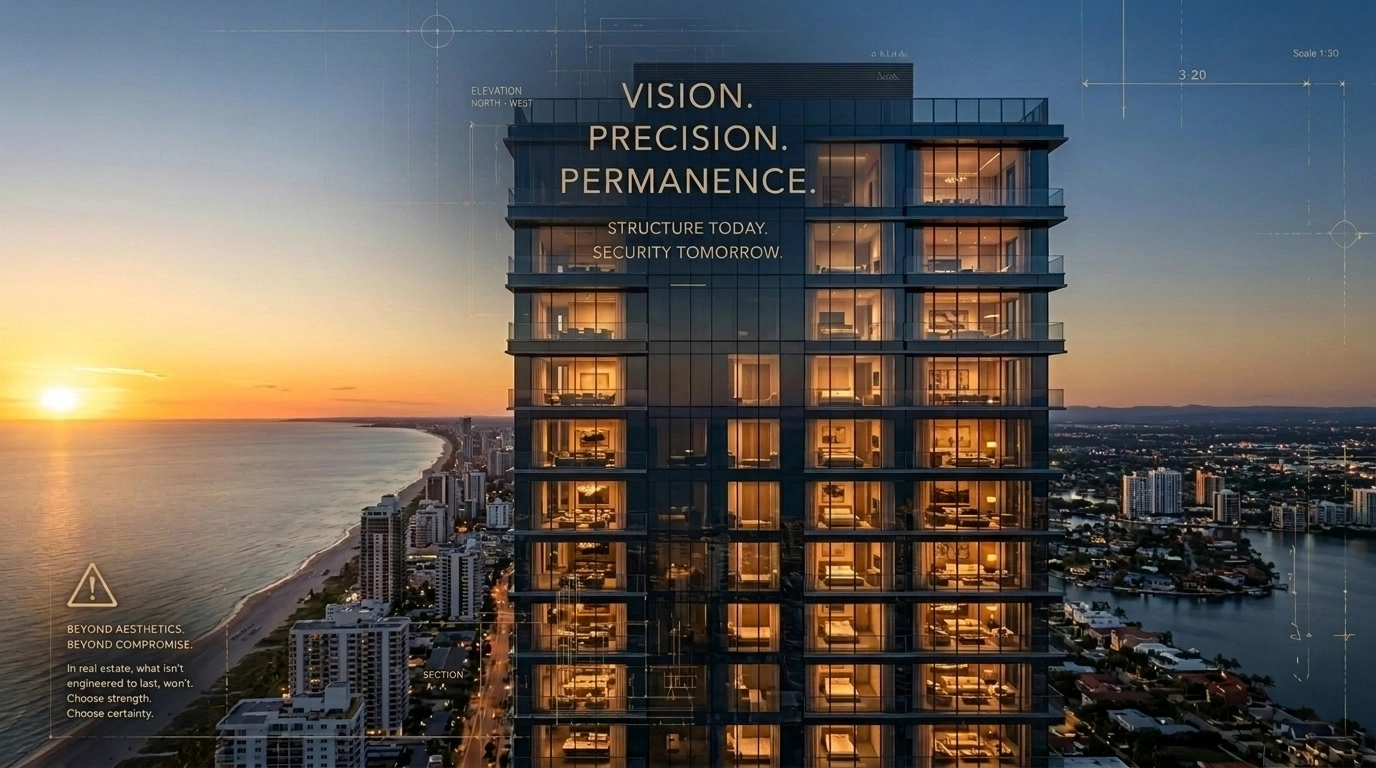
When a buyer sees a high-rise condo price tag of $500,000, they used to think "Great, I can afford that." Now, they’re asking, "Is that $500,000 plus an $80,000 bill next year?" This uncertainty has caused a significant stall in the older high-rise market. If the building hasn’t already completed its major milestone inspections and funded its reserves, it’s basically radioactive to savvy investors.
Why Duplexes are Taking the Crown
Enter the duplex. In 2026, the "missing middle" of housing has become the gold standard for smart buyers. Duplexes offer a sweet spot that high-rises simply can't touch right now.
First, there’s the autonomy. In a duplex, you usually share one wall and a roof with one other person. The "HOA" is often just an informal agreement or a very small, manageable fee. You don’t have to wait for a board of 12 people to vote on whether or not to fix the plumbing. If there’s a leak, you and your neighbor figure it out.
Second, there’s the land. Real estate has always been about the dirt. When you buy into a high-rise, you own the air between the walls. When you buy a duplex, you usually own a portion of the lot. In an era where building costs are high, the value of the land itself is the best hedge against inflation.
The Fixer-Upper Renaissance
We’re also seeing a huge surge in buyers looking for fixer-uppers. A few years ago, everyone wanted "turn-key." They wanted the white quartz countertops and the LVP flooring already installed.
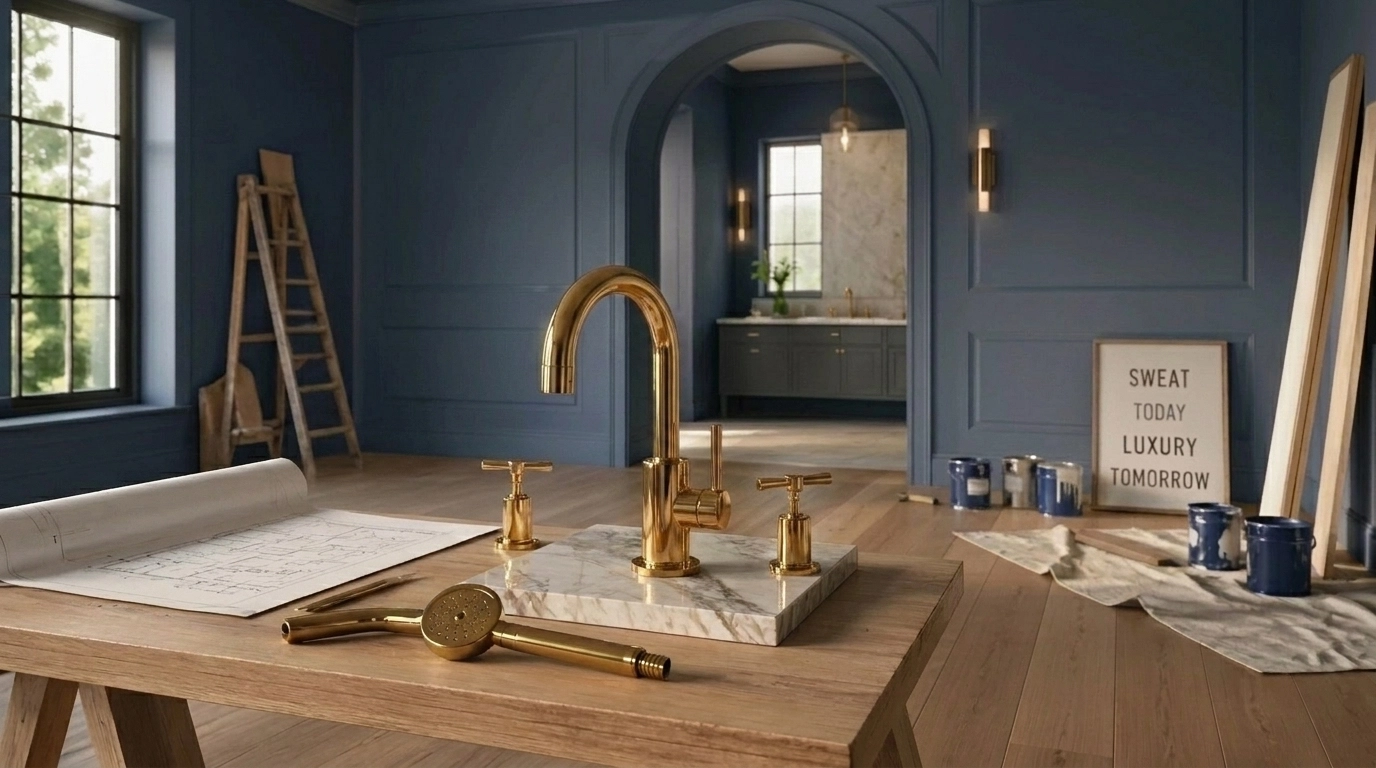
Today, buyers are realizing that they’d rather spend $100,000 on a renovation they control than $80,000 on a special assessment for a parking garage they barely use. There’s a certain security in sweat equity. If you buy a "distressed" property in a great area like Tierra Verde, you are in the driver's seat. You choose the contractors, you choose the materials, and you know exactly where every dollar is going.
!Luxury home renovation project featuring marble samples and gold fixtures for sweat equity buyers.
Due Diligence: The 2026 Checklist
If you are brave enough to jump into the condo market right now: and there are still deals to be had if you’re careful: your due diligence process needs to be ten times more rigorous than it was in 2020.
You can't just look at the floor plan and the view. You have to look at the "boring" stuff. Here is what we are looking for in every single deal:
1. The Structural Integrity Reserve Study (SIRS)
2. Reserve Funding Levels
3. Delinquency Rates
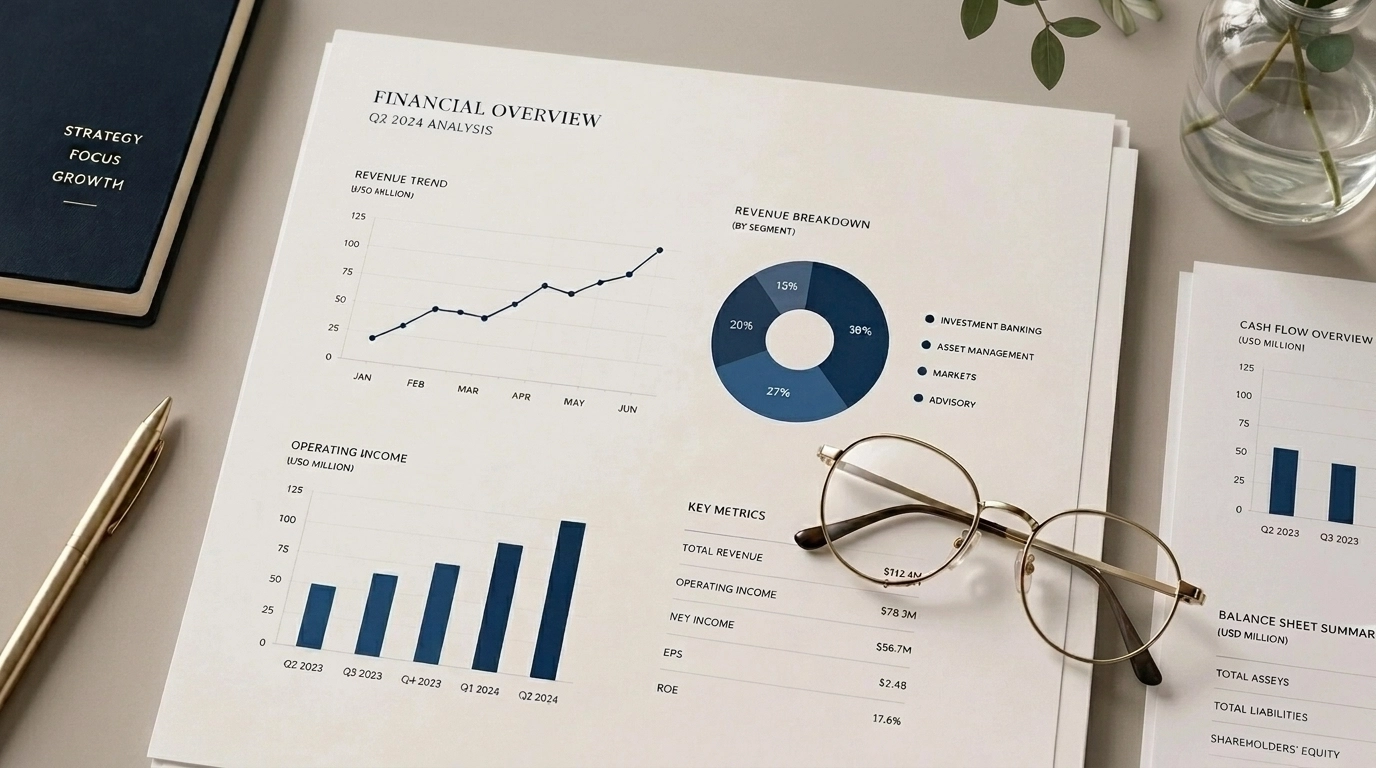
!Real estate financial documents and charts used for HOA due diligence and condo assessment research.
Navigating the "New Normal" in Real Estate
I always tell my clients that the market isn't "bad": it’s just different. The buyers who are winning in 2026 are the ones who shifted their expectations. They aren't looking for the biggest building; they’re looking for the most stable one.
Whether you're looking for a quiet spot in Belleair Beach or a duplex with rental potential closer to the city, the strategy is the same: prioritize the financials over the finishes.
We’ve moved into an era where the "Condo Rules" have changed. The old rules said that high-rises were the safest bet for appreciation. The 2026 rules say that simplicity, land ownership, and financial transparency are what actually drive value.
The Bottom Line
If you’re sitting on an older condo unit and you’re worried about these assessments, it might be time to look at an exit strategy. And if you’re a buyer looking for your next home, don’t get blinded by a pretty lobby.
The "stall" in the high-rise market is a gift for those who know where to look. It’s pushing more people toward duplexes and single-family homes that need a little love, creating a vibrant market for those who want more control over their investment.
If you want to dive deeper into the current market stats or see what's available in our area, check out my blog for more updates. Real estate is still the best way to build wealth: you just have to make sure you aren't building it on a foundation of unpaid assessments.

Stay smart, do your homework, and as always, feel free to reach out if you need a hand navigating the paperwork. That’s what I’m here for.
Have a question about how this applies to your home or loan?
Book a Call