
Local News
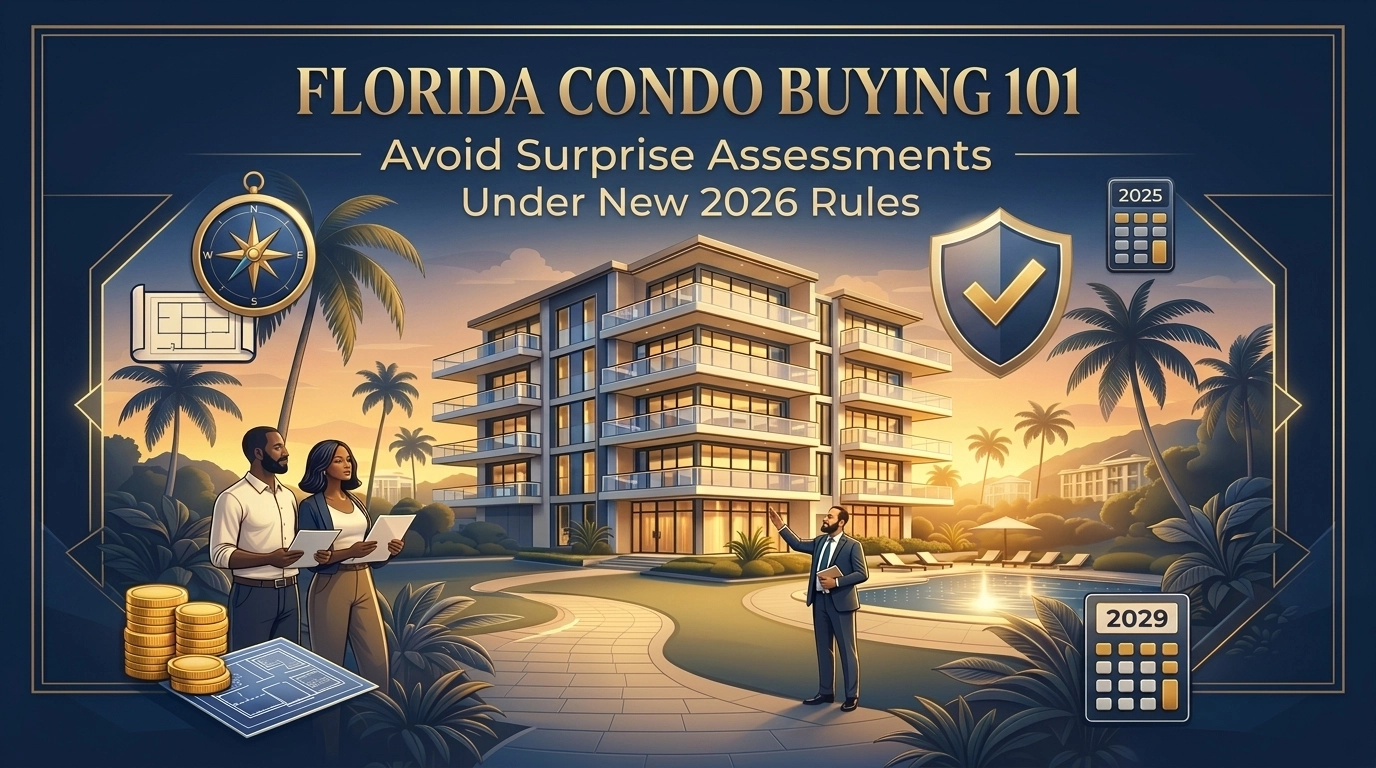
Florida Condo Buying 101: How to Avoid Surprise Assessments Under New 2026 Rules
Slug: florida-condo-buying-2026-rules-assessments Excerpt: Buying a condo in Florida changed on January 1, 2026. Learn how to use the new transparency laws, SIRS reports, and Milestone Inspections to avoid expensive surprise assessments in Tampa Bay. Meta title: Florida Condo Buying 101: Avoid 2026 Surprise Assessments Meta description: Navigate Florida's new 2026 condo laws. Learn about SIRS, Milestone Inspections, and how to protect your investment in Tampa Bay, St. Pete, and Clearwater. Meta keywords: Florida condo laws 2026, special assessments, SIRS Florida, condo buying tips, Tampa Bay condos
---
If you’ve been dreaming of a sunset view from a balcony in Clearwater or a chic high-rise lifestyle in St. Pete, you’ve probably heard the rumblings. For years, Florida condo living was seen as the "easy" button for homeownership: until it wasn’t.
Following the tragic events at Surfside a few years back, the Florida Legislature overhauled how condos are managed, inspected, and funded. As of January 1, 2026, we are officially in a new era of transparency. While these rules were designed to keep us safe, they have also triggered a wave of "special assessments" that have left some owners reeling.
I’m Jonathan Loescher, and my goal is to make sure you walk into your next condo purchase with your eyes wide open. You shouldn't have to fear a $50,000 surprise bill a month after closing. Here is everything you need to know about navigating the 2026 Florida condo market.
The Big 2026 Shift: Transparency is Now Law
Gone are the days when a condo board could hide a crumbling foundation or a depleted reserve fund in a dusty binder in a locked office.
Since January 1, 2026, any Florida condo association with 25 or more units is legally required to provide access to its governing documents, budgets, and structural reports via a dedicated website or mobile app. This isn't just a convenience; it’s a safeguard for you, the buyer.
When you’re looking at properties in Belleair Beach or downtown Tampa, you (and your Realtor) can now pull these digital records to see exactly what’s going on behind the scenes. If an association tells you they "don't have a digital copy," that’s your first major red flag.
!Digital tablet showing Florida condo records and structural data with St. Pete skyline.

Understanding the "Alphabet Soup": SIRS and Milestone Inspections
To avoid surprise assessments, you need to understand the two most important documents in Florida real estate right now: the SIRS and the Milestone Inspection.
1. The Structural Integrity Reserve Study (SIRS)
The biggest change? Associations can no longer vote to "waive" or underfund these reserves for structural items. If the study says the roof needs $1 million in ten years, the association must start collecting that money now. If they haven't been doing it, a massive "catch-up" assessment is likely on the way.
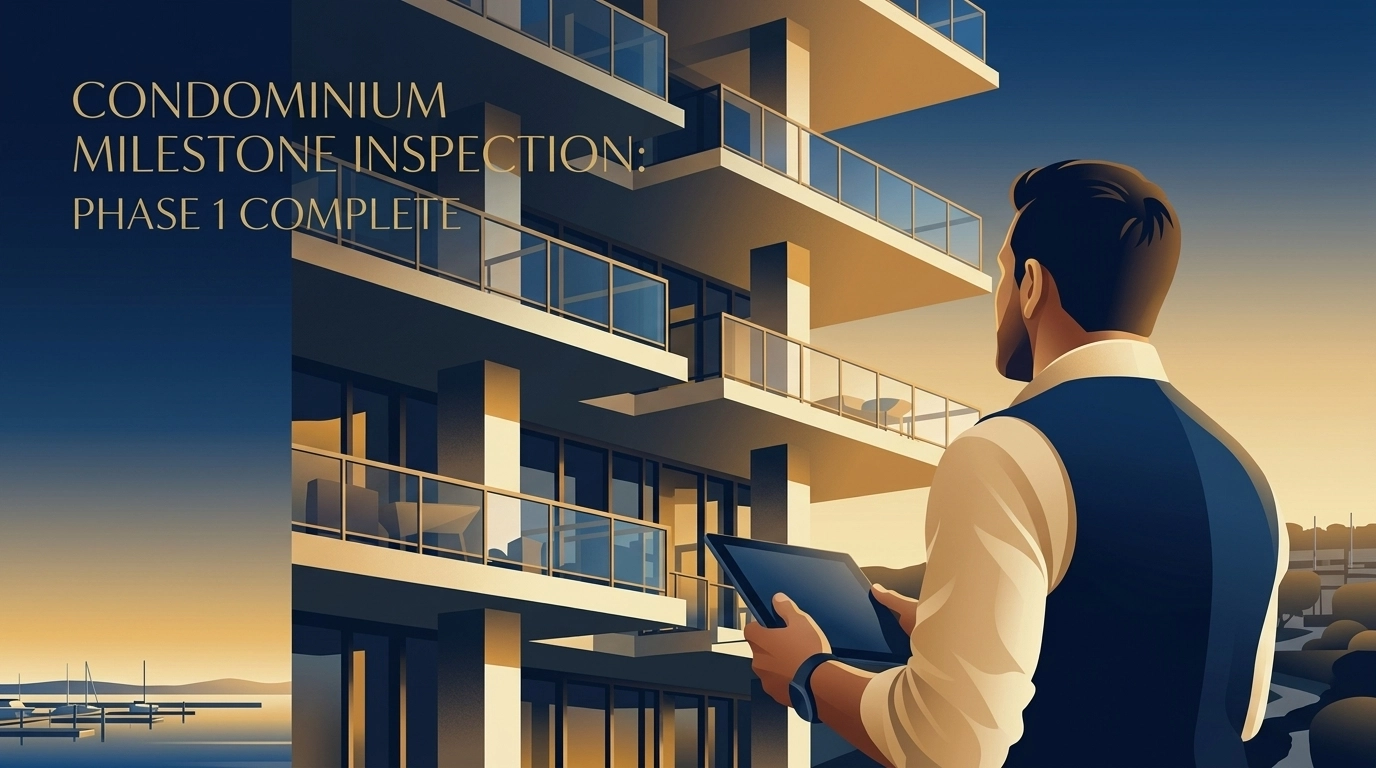
2. Milestone Inspections
If this inspection finds "substantial structural deterioration," the board is required by law to fix it immediately. They don't get to put it to a vote. They don't get to wait. They have to assess the owners and get to work. This is where those $10,000 to $100,000 assessments usually come from.
The "7-Day Look": Your New Best Friend
In the past, condo buyers in Florida had a three-day right of rescission (a fancy way of saying you could back out) after receiving the condo documents.
Under the updated rules for 2026, that window has been expanded. You now have seven days to review the documents for a resale condo. This extra time is critical. It gives you, your lawyer, and your Realtor enough time to actually read the SIRS and the Milestone reports.
Don't rush this. Use every one of those seven days to hunt for mentions of "deferred maintenance" or "unfunded mandates."
!Professional structural milestone inspection of a luxury Florida condominium exterior.
Red Flags: When "Low Dues" Are Actually Bad News
We all love a low monthly HOA fee, but in the 2026 market, suspiciously low dues are a terrifying red flag.
For decades, many associations kept dues artificially low by refusing to fund reserves. They essentially kicked the can down the road. Now, the road has ended. In coastal areas like Tierra Verde or Seminole, buildings are facing salt-air corrosion that requires expensive remediation.
If you see a 30-year-old building with luxury amenities but monthly dues that haven't changed in five years, run: or at least, prepare for a massive special assessment. Modern, healthy associations have likely raised their dues by $75 to $300 a month over the last two years to comply with the new SIRS requirements. High dues often mean a well-run building; low dues often mean a looming disaster.
Your Pre-Offer Checklist
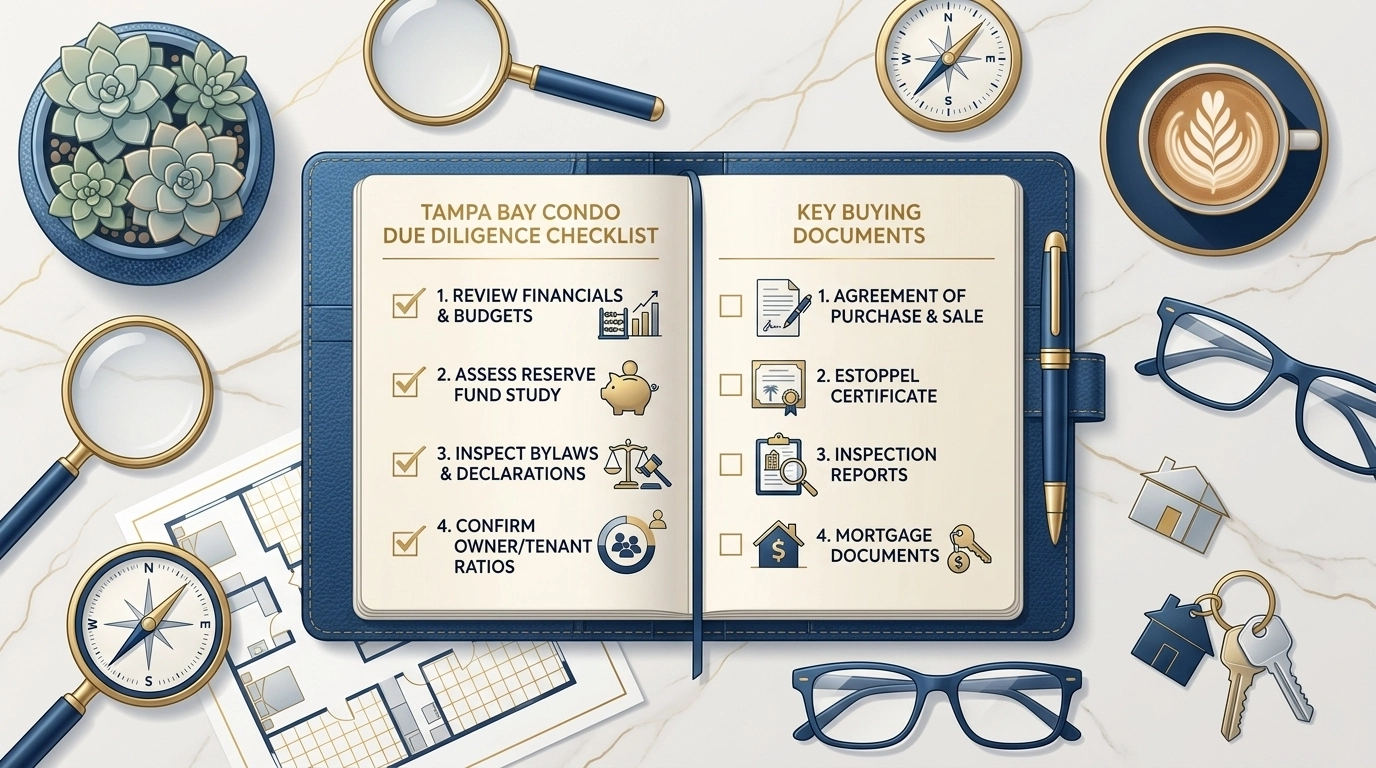
Before you sign on the dotted line for that dream unit in Clearwater, make sure you have checked off the following:
- The Latest SIRS: Is it complete? If not, when is the deadline?
- The Milestone Summary: Especially for buildings 30+ years old.
- Pending Assessments: Ask specifically if there are any proposed assessments, not just approved ones.
- The Reserve Fund: Is it fully funded according to the SIRS?
- Meeting Minutes: Read the last six months of board meeting minutes. This is where you’ll find the "drama": arguments about roof leaks or insurance hikes usually show up here first.
!Financial review of condo special assessments featuring a gold calculator and house keys.

Why Location Matters: The Coastal "Salt Tax"
In our neck of the woods: Tampa Bay, St. Pete, and the surrounding beaches: we deal with unique environmental factors. Buildings closer to the Gulf are subject to more stringent Milestone Inspections because of salt-water intrusion.
While a condo in an inland part of Hillsborough might have fewer structural concerns, a waterfront property in St. Pete Beach is going to be under the microscope. This doesn't mean you shouldn't buy on the water; it just means you need to ensure the building has already done the heavy lifting of modernizing its structural reserves.
Working With a Specialist
The landscape of Florida real estate has changed more in the last three years than it did in the thirty years prior. Buying a condo isn't just about the granite countertops and the pool temperature anymore: it’s about the structural integrity and the fiscal responsibility of the board.
At Jonathan Loescher brokered by Realty of America, we specialize in helping buyers navigate these complex waters. We know which buildings in Clearwater have already passed their Milestone Inspections and which ones are currently scrambling to find the funds.
If you’re ready to start your search but want to make sure you’re protected from surprise assessments, let's chat. You can check out our blog for more local insights or read what our clients have to say on our reviews page.
Final Thoughts
The 2026 rules might seem daunting, but they are actually a gift to buyers. They provide a level of clarity and protection that simply didn't exist five years ago. By doing your homework, leveraging the new transparency laws, and working with a knowledgeable team, you can find a beautiful Florida condo that is both a safe home and a sound investment.
Don't let the fear of assessments stop you from enjoying the Florida lifestyle. Just make sure you have the right data before you close.
!Due diligence checklist and real estate documents for buying a condo in Tampa Bay.
--- Ready to find your perfect (and structurally sound) Tampa Bay home? Visit jonathanloescher.com to start your search today.
---
Have a question about how this applies to your home or loan?
Book a Call