
Local News
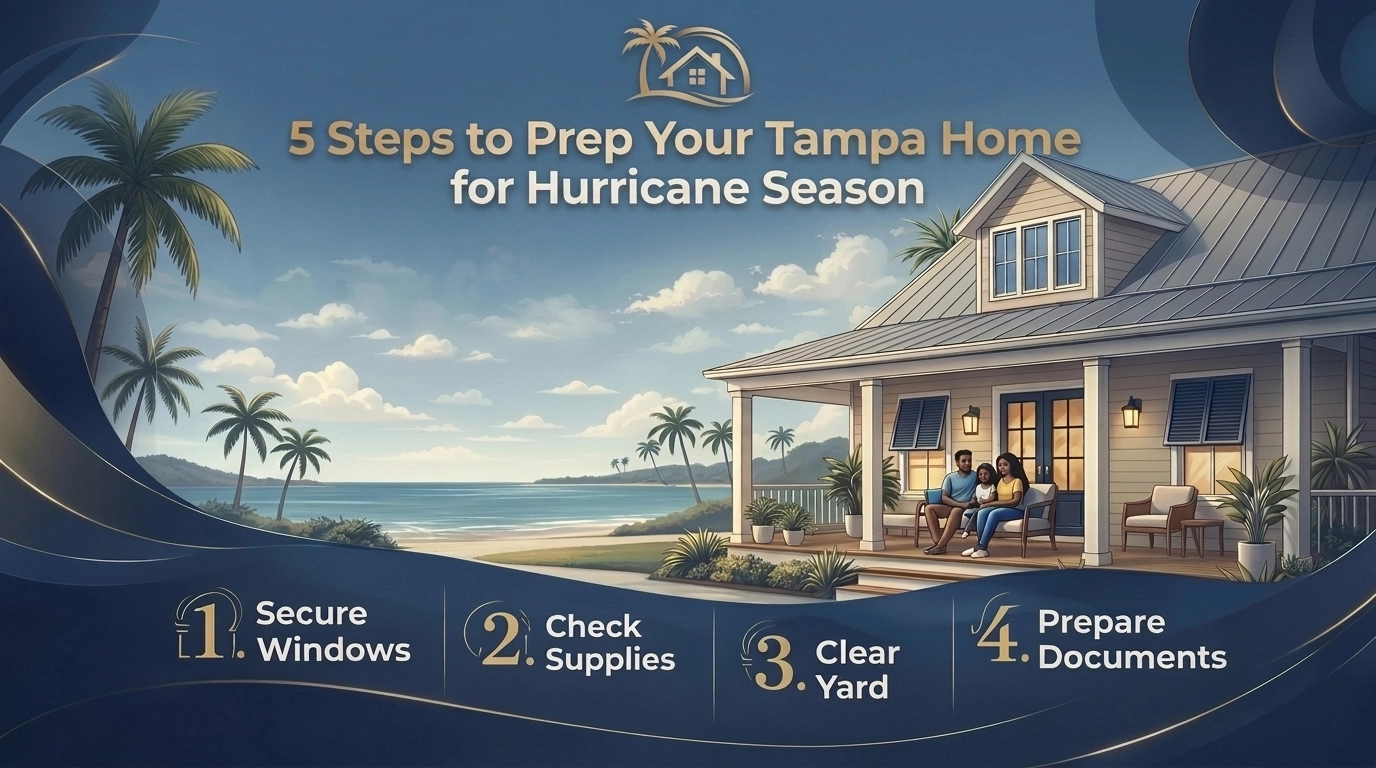
5 Steps to Prep Your Tampa Home for Hurricane Season (The Stress-Free Way)
It is officially April 2026, and here in the Tampa Bay area, we know that means more than just beautiful spring weather and catching a game at the ballpark. It means the countdown to June 1st has begun.
Living in paradise: whether you're over in Clearwater, enjoying the quiet life in Seminole, or coastal living in Tierra Verde: comes with one major caveat: Hurricane Season. We’ve all seen the madness that happens when a storm enters the Gulf. The lines at the gas stations wrap around the block, and the shelves at the grocery store are stripped of water in hours.
But it doesn't have to be like that. At Jonathan Loescher brokered by Realty of America, I’m all about making real estate (and homeownership) as smooth as possible. That’s why I’ve put together this stress-free guide to getting your home ready now, while the skies are clear and the hardware stores are fully stocked.
---
1. Review Your Insurance Coverage (The "Read the Fine Print" Phase)
If you wait until there’s a named storm in the Atlantic to check your insurance, you’re already too late. Most insurance companies will "bind" or pause new coverage or changes as soon as a storm is looming.
In Florida, "Homeowners Insurance" is a bit of a three-headed beast. You need to look specifically at: Windstorm Coverage: This is what covers your roof blowing off or a tree crashing through a window. Flood Insurance: This is the big one people forget. Standard homeowners policies do not cover rising water. Whether you are in a high-risk zone in Belleair Beach or a "low-risk" zone in Pasco County, flood insurance is a smart move. Remember, there is usually a 30-day waiting period before a new flood policy takes effect.
Take twenty minutes this week to call your agent. Ask about your hurricane deductible: it’s often a percentage of your home’s value (like 2% or 5%) rather than a flat dollar amount. Knowing this number now helps you plan your emergency savings.

---
2. Inspect the Roof & Gutters (Understanding HB 815)
Your roof is your home’s first line of defense. If it fails, everything inside is at risk.
First, clear those gutters. When we get those massive tropical downpours, clogged gutters cause water to back up under your shingles or into your soffits, leading to rot and leaks. It’s a dirty job, but it’s the easiest way to prevent thousands in water damage.
Second, let's talk about House Bill 815 (HB 815). There has been a lot of buzz about this in Florida real estate lately. This law offers certain protections for homeowners with older roofs. In many cases, insurance companies can no longer refuse to renew a policy solely because a roof is more than 15 years old, provided a professional inspection shows the roof still has at least five years of life left.
If you’ve been worried about getting dropped by your carrier because of your roof’s age, now is the time to get a professional inspection. If repairs are needed, do them now before the afternoon rains make roofing work nearly impossible to schedule.
---
3. Fortify Your Openings (Impact Windows & Grants)
Windows and doors are the most vulnerable points of your home. Once the "envelope" of the house is breached by high winds, the pressure can actually lift the roof off from the inside.
You have three main options here: 1. Hurricane Shutters: Roll-downs, accordions, or Bahama shutters. These are great because they are permanent and easy to deploy. 2. Impact-Resistant Windows: These are the gold standard. They offer 24/7 protection, noise reduction, and better energy efficiency for those hot Tampa summers. 3. Plywood: The budget-friendly DIY route. If you go this way, pre-cut your 5/8-inch exterior-grade plywood now. Drill the holes and label each piece (e.g., "Master Bedroom Left") so you aren't playing a giant jigsaw puzzle in the rain.
The My Safe Florida Home Program: Keep an eye on the My Safe Florida Home program. This state-run initiative has historically provided grants to help Florida homeowners harden their homes against storms. Even if the grant cycles are currently closed, the state often waives sales tax on impact-resistant windows and doors. Check the latest status to see if you can get some of your tax dollars back while making your home safer.

---
4. Landscape Management (Don't Let Your Trees Become Missiles)
We love our Florida greenery: the palms, the oaks, the lush hibiscus. But during a hurricane, a beautiful tree can become a liability.
Take a walk around your yard. Look for: Dead or overhanging branches: Anything hanging over your roof needs to go. Proximity to power lines: If a branch is touching a line, do not attempt to trim it yourself. Call your utility provider (Duke Energy or TECO). * Loose items: This isn't just about trees. Plan where your patio furniture, potted plants, and grill will go. Anything that isn't bolted down becomes a projectile in 100mph winds.
Trimming your trees in April allows them to heal before the height of the season and ensures that "sail area" (the density of the leaves) is reduced, making it less likely the whole tree will blow over.

---
5. Prepare Your Survival Kit & Evacuation Plan
This is the part that usually causes the most stress, but it's the easiest to handle early.
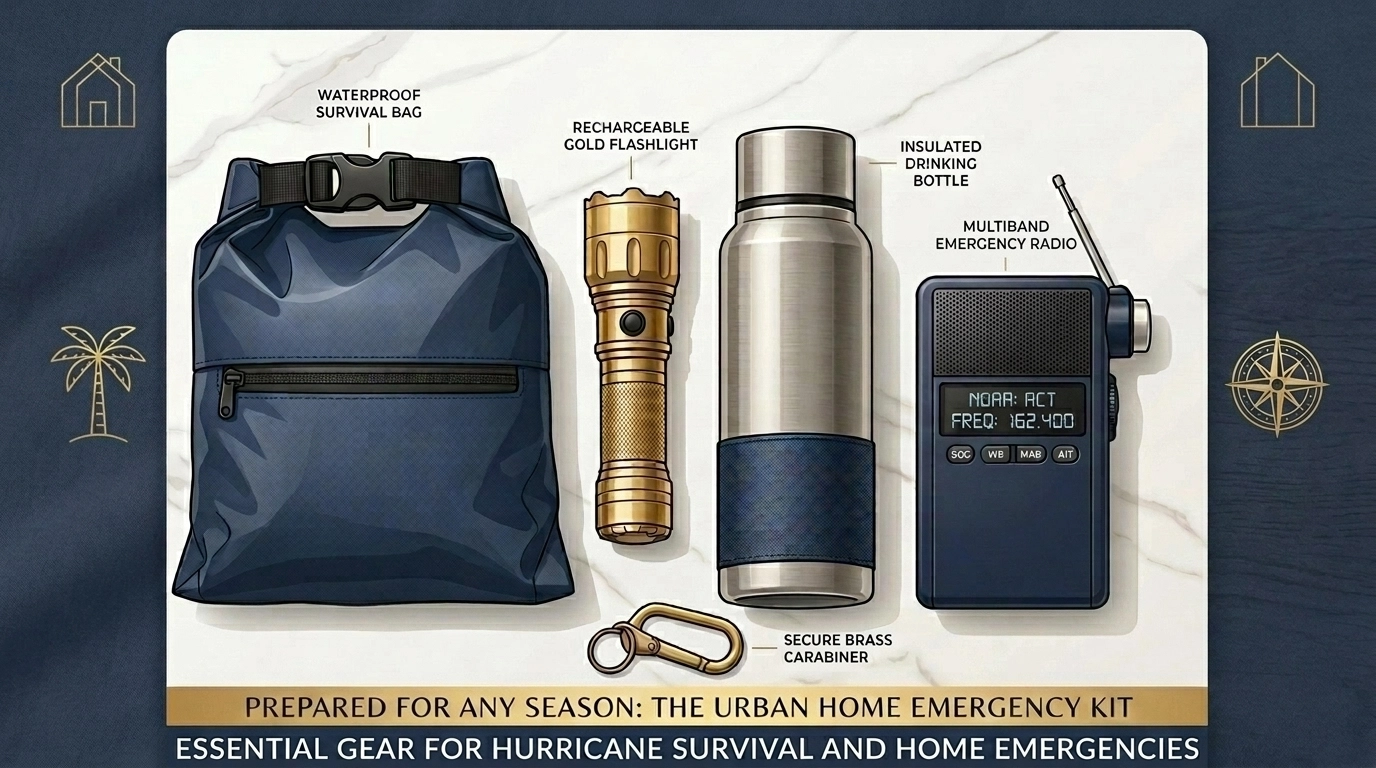
The Survival Kit: Instead of buying 10 cases of water in June, add one extra pack to your grocery cart every time you shop in April. Water: One gallon per person per day (aim for 7 days). Food: Non-perishables that you actually like to eat. Power: External battery packs for phones and a battery-powered radio. Documents: Put copies of your insurance, deed, and ID in a waterproof "go-bag."
The Evacuation Plan: Do you know your zone? Pinellas, Hillsborough, Pasco, and Manatee counties all have specific evacuation zones (A through E). Know your zone and know where you will go if an evacuation is ordered.
If you are in Zone A (the coast), you should have a "ride-out" buddy in Zone E or inland. Staying with a friend is much more comfortable than a high school gym floor. If you have pets, make sure your destination is pet-friendly.
---
Why Early Prep Matters for Your Home Value
As the Founder of Jonathan Loescher brokered by Realty of America, I look at these steps not just as safety measures, but as investments. When the time comes to sell your home, being able to show a prospective buyer a wind-mitigation report, impact-rated windows, or a well-maintained roof is a massive selling point in the Tampa Bay market. It leads to lower insurance premiums and a faster sale.
If you’re curious about how these upgrades might impact your home's market value in areas like Hillsborough or Manatee county, feel free to check out my blog for more local market insights or read what your neighbors are saying on my reviews page.
Hurricane prep doesn't have to be a frantic weekend of stress. By checking off one of these steps every couple of weeks, you’ll be sitting pretty with a cold drink while everyone else is fighting over the last bag of ice.
Stay safe, stay prepared, and let’s enjoy another beautiful Florida spring!
Have a question about how this applies to your home or loan?
Book a Call