
Buying
Florida HOA Fees Explained: What Tampa Bay Buyers Really Pay
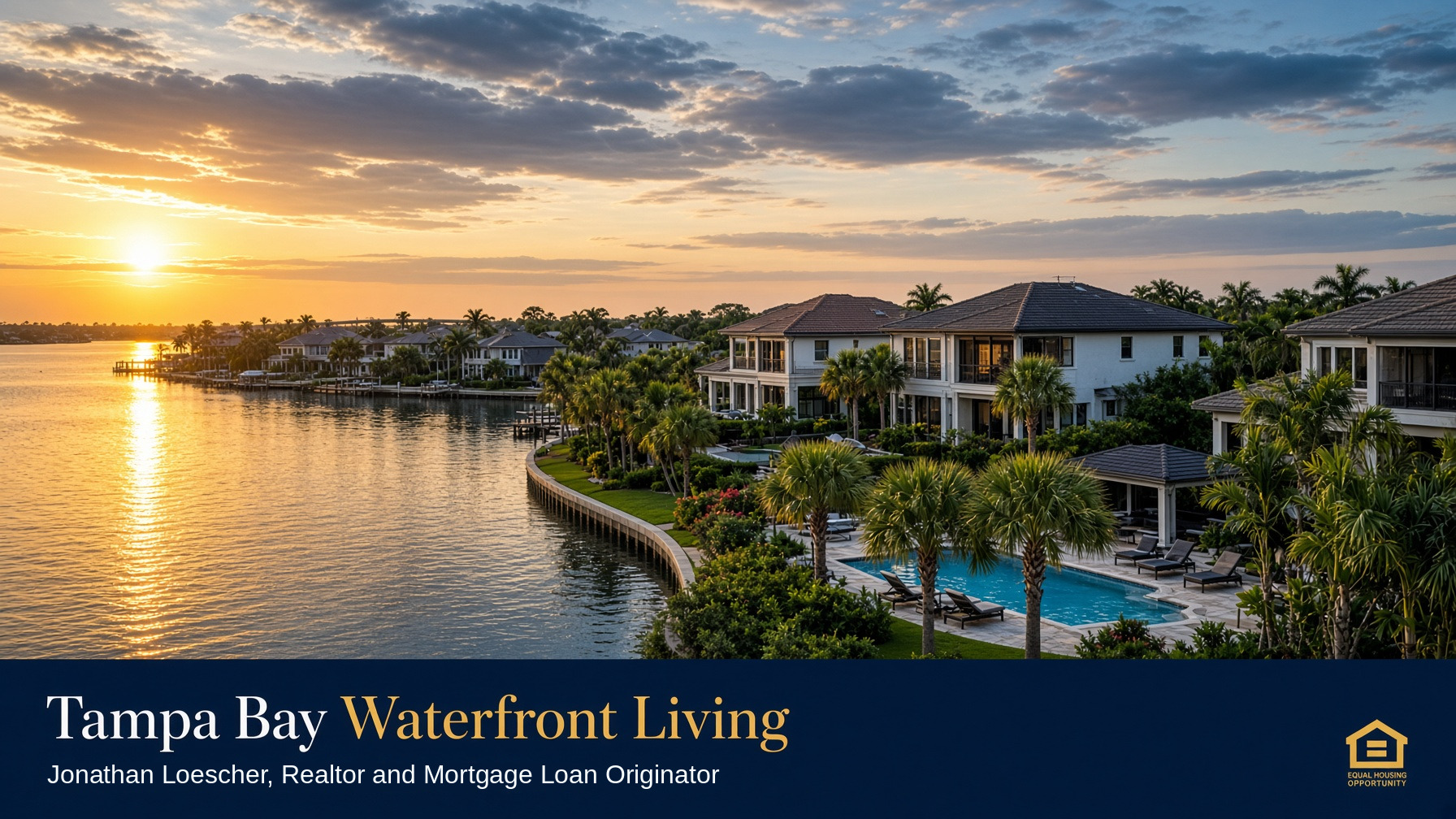
HOA fees in Tampa Bay vary widely by community, typically ranging from $150 to $500 per month, and they cover shared amenities and maintenance. Before buying, know exactly what your HOA fee includes and whether it matches your lifestyle and budget.
What Do HOA Fees Typically Cover in Florida?
HOA fees generally cover the upkeep of common areas, amenities, and sometimes exterior maintenance. In Tampa Bay, common inclusions are:
- Landscaping and lawn care for common areas
- Exterior building maintenance (in condos or townhomes)
- Roof replacement and painting (for condos)
- Pool, clubhouse, and fitness center upkeep
- Gated community security and gate maintenance
- Trash and recycling services
- Pest control in common areas
- Reserve fund contributions for future repairs
Always review the HOA's financial statements and governing documents to see exactly what is covered.
How Much Are HOA Fees in Tampa Bay?
In Tampa Bay, HOA fees can range from $150 to $500 per month, depending on the community and amenities. For example, a single-family home in Palm Harbor might have a modest HOA of $200 a month, while a luxury condo in Belleair Beach could charge $600 or more. Compare fees across communities like Apollo Beach or Belleair to find what fits your budget.
How Do HOA Fees Impact My Home Purchase?
HOA fees add to your monthly housing costs, so lenders include them in your debt-to-income ratio. This can affect how much home you qualify for. Also, higher HOA fees may be offset by lower maintenance costs if they cover exterior upkeep. When budgeting, factor in the monthly fee plus any special assessments.
What Are Special Assessments?
Special assessments are one-time charges for unexpected or large expenses, like roof replacement or storm damage, not covered by reserves. They can be thousands of dollars. Before buying, ask about the HOA's reserve fund and any planned assessments.
Can I Negotiate HOA Fees?
HOA fees are typically non-negotiable, but you can request seller concessions to offset the cost. In a buyer's market, sellers might cover a year of HOA fees or reduce the price. Your Realtor and Mortgage Loan Originator, Jonathan Loescher, can help you structure an offer that accounts for HOA costs.
How Do I Find Out About HOA Rules and Finances?
During the due diligence period, your Realtor can request the HOA's covenants, conditions, and restrictions (CC&Rs), financial statements, and meeting minutes. Review them for any red flags like low reserves or pending litigation. Your title company can also help obtain these documents.
What Are the Pros and Cons of Buying in an HOA Community?
Pros include maintained common areas, amenities, and enforced community standards. Cons include monthly fees, restrictions on exterior changes, and potential for special assessments. Weigh these factors based on your lifestyle and budget.
Ready to find a home that fits your budget and lifestyle? Browse homes in Tampa Bay or book a consultation with Jonathan Loescher today.
Common questions
- What is a special assessment in a Florida condo?
- A special assessment is an extra charge a condo association levies on owners beyond regular dues, often for roofs, concrete, or other big repairs. Florida's condo safety laws require milestone inspections and structural reserve studies for many buildings, and those can drive assessments. Read the minutes, budget, reserve study, and estoppel certificate before you close.
- What is an HOA or condo estoppel certificate in Florida, and who pays?
- An estoppel certificate is the association's written statement of what's owed on a unit or lot: dues, assessments, and fees. The closing agent uses it to pay the association at closing. Florida caps the fee, and DBPR posts the current caps. The association must issue it within 10 business days. Who pays depends on your contract, so read it.
- How do Florida HOA fees work in Tampa Bay?
- HOA and condo fees come from the association's budget. They pay for common areas, management, shared insurance, and reserves. Condos fall under Chapter 718 and HOAs under Chapter 720. Get the current fee in writing, ask what it covers, read the budget and minutes, and check for special assessments. Don't rely on what the listing says.
- Can I homestead a condo in Florida?
- Yes, if you own the unit and it is your permanent residence on January 1. The same March 1 deadline applies.
- Can my condo or HOA ban short-term rentals?
- Often, yes. Condo and HOA declarations can set minimum lease terms, cap rentals per year, and require approval and fees. Florida law limits some newer rental amendments to owners who consent or buy after they pass. So if you're buying, you're usually bound by them. Read the declaration, amendments, and rules before you buy a home you plan to rent.
More Tampa Bay home and loan answers on Ask Jonathan.
Enjoying this? Make us a preferred source on Google.